Table of Contents
Building an ADAS workflow that scales across multiple techs
Today’s auto body shop has faced challenges associated with rising ADAS complexity and the need to stay current.
This has left shops with ADAS approaches that came from time-pressured decisions rather than a calculated strategy.
ADAS will only grow more common and more complex, so shops without a clear workflow have often suffered from problems related to a lack of cohesiveness among their techs.
Unstructured and isolated technician workflows are a major operational bottleneck. This guide shows shop owners how to create a cohesive ADAS workflow that scales across multiple techs and locations.
A core issue facing body shops: The ADAS technician that works without standardization
Techs working in a vacuum of individual decision-making have no shared baseline for calibration procedure. In addition, a recent study found that of 304 surveyed shops, only 42 reported their technicians had received formal OEM training.
The lack of technician collaboration paired with the low rates of formal training is a cause for concern for body shops.
This combination is highlighted by calibration missteps that show up in:
- Scan procedures
- Notions of calibration triggers
- Validation standards
Role ambiguity and unclear handoff practices are also common when there is no standardization among adas technicians. Questions arise such as:
- Are calibration procedures repeatable?
- Who owns pre- or post-scans? How were they performed?
- How are verification methods performed? Can these be trusted?
So what material impacts do these have on your workflow?
How the inconsistency among techs disrupts your workflow
Workflows that are defined by isolated processes, a lack of training, and undefined roles, disrupt operations and produce negative calibration outcomes.
The most common problem is inconsistent results, especially missed or incomplete calibrations. This is characteristic of an ADAS workflow where diagnostics are handled by manual practices and “eye-tests” that risk sendbacks.
Role ambiguity and unclear handoff procedures lose time to “catching up”, caused by a breakdown in communication between teams.
Documentation is also highly impacted as associated gaps in practices expose your shop to liability concerns and insurance disputes.
The benefits of standardizing an ADAS your workflow
The solution is creating a well-structured and standardized ADAS approach.
This practice leads to consistent calibration outcomes across all techs, and if applicable, across all your locations.
In addition to cohesiveness and a reduction in lost cycle time, standardization has benefits including:
- Defined calibration standards
- Training simplicity and faster onboarding for new hires
- Fewer delays and predictable timelines
- Elimination of non-OEM compliant methods
- Stronger documentation for insurance and compliance
Standardization of your workflow gives you command of the entire ADAS timeline, while helping to capture more calibrations and increasing your profit.
How to build a standardized workflow that scales across techs
Building a standardized ADAS workflow does not need to be complex. A successfully scalable ADAS workflow is built through breaking the whole into a series of smaller and enforceable practices.
Streamline diagnostics and identification
The first step of the ADAS workflow that you should choose to standardize is diagnostics and identification. You cannot properly calibrate what you don’t identify, and this part of the process is where common mistakes, such as missed calibrations, are often made.
Outdated tools, conflicting data, and changing OEM requirements make diagnostics nearly impossible to conduct by memory and eye tests these days. Another common source of error is when one team diagnoses, while another team deals with the calibration. Diagnostics must be clear and follow a repeatable process.
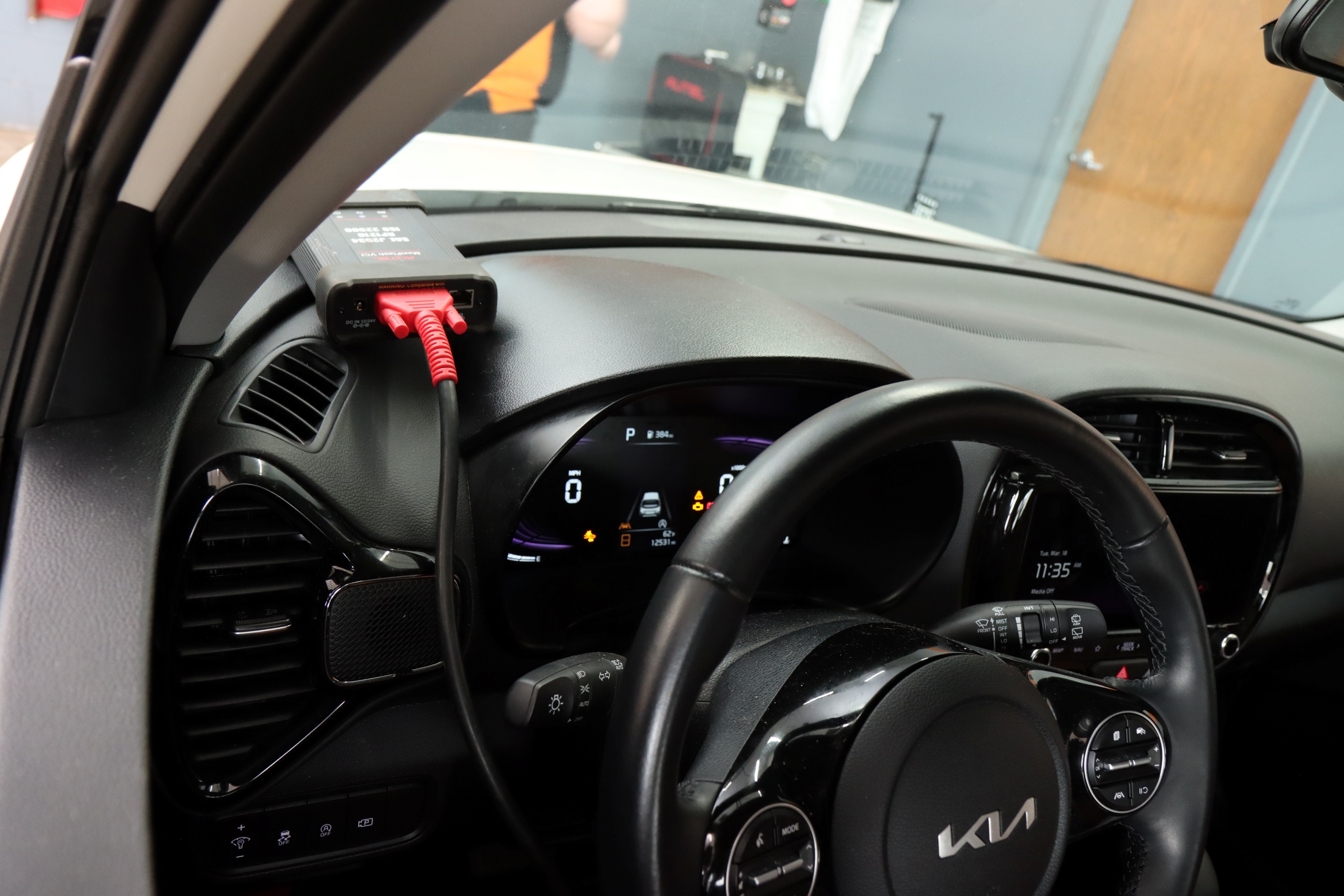
Requiring pre- and post scans, OEM approved scan tools, and having a procedure in place for when DTCs aren’t clear is a must in this phase. ADAS calibration identification software, like Revv, is also a great strategy to automate this process.
Consistent diagnostic and identification is the first step in keeping all members of your team on the same page.
The calibration itself: What to require, and what to eliminate
Traditionally, techs used manual procedures to calibrate cameras, sensors, and more. While these practices have been on their way out of practice for awhile, you must completely eliminate them if they still persist in your shop. Today’s ADAS leaves no room for “eye test” measurements, manual guesswork, or non-documented adjustments.
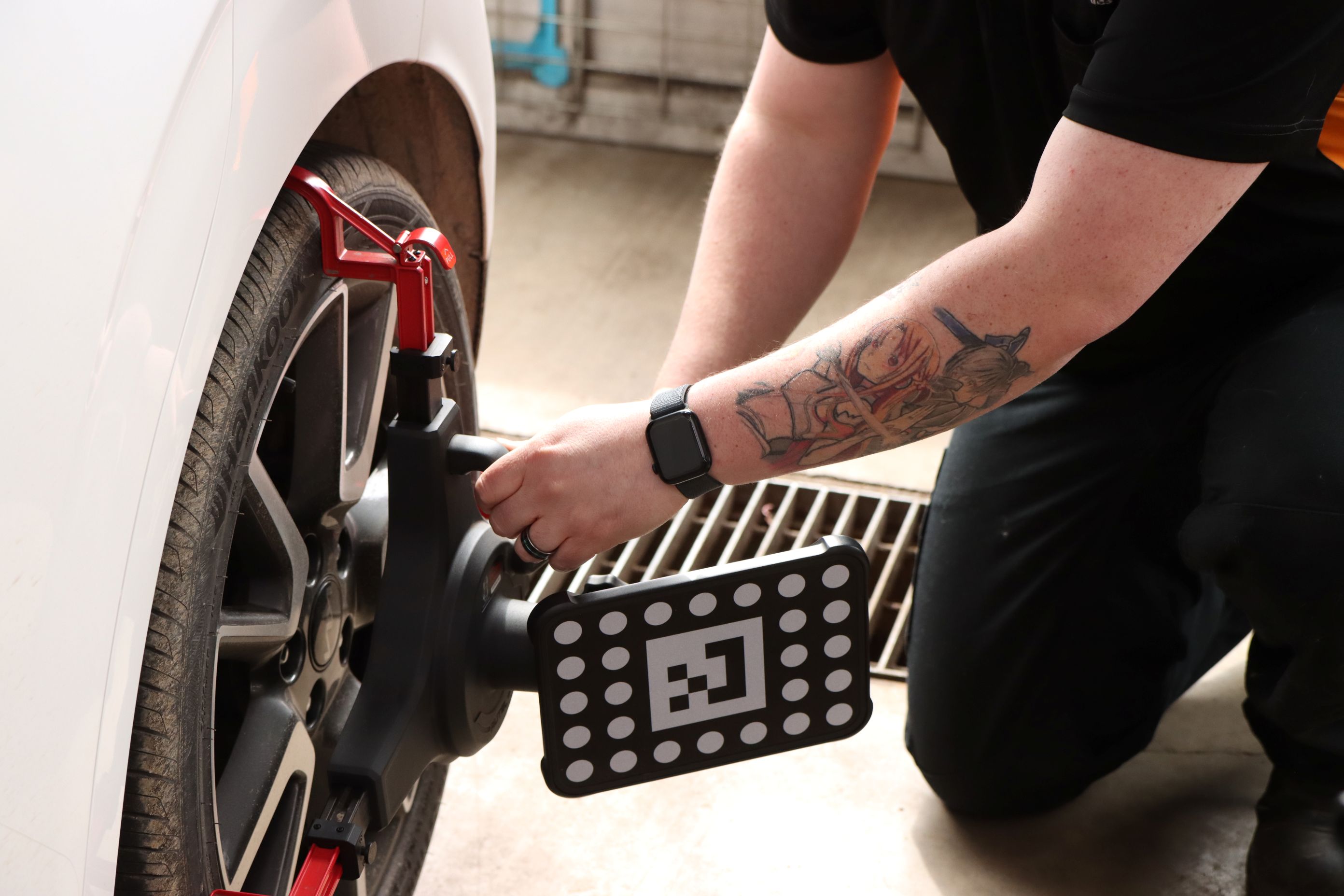
What you should now require is for each of your techs to follow OEM procedures exactly, including setup. Environmental standards are precise and necessary, don’t overlook this. You also must require OEM-compliant tooling, including targets, frames, positioning devices, and more.
These practices are key to reducing variability, ensuring repeatability, and speeding up throughput.
Implement strict documentation procedures
Documentation is the backbone of any successful, high-volume ADAS shop. Airtight, OEM-compliant documentation supports functions like:
- Protecting against liability concerns
- Insurance claim approval
- Overall organization and internal accountability
This serves as a guardrail for a cohesive and consistent workflow. Standardize by requiring the documentation of scans and diagnostic reports, calibration procedures, and verification reports.
Standardized training program
The final aspect you should address is developing a robust training program.
Training that teaches new hires the proper practices from the start is the best way to integrate into a new and accountable work culture. This immediately eliminates the chance of variance among new hires.
Require existing staff to participate in this program. Considering ASE L4 certification is also a step to ensure all techs in your building understand what they must know to be successful.
Remember, you will need periodic retraining for all your techs as ADAS and OEM requirements continue to change.
How the right software can enforce a consistent workflow
With a structured and coherent ADAS strategy now in place, your workflow can be enhanced with the right software partners.
Revv offers a solution to calibration diagnostics and identification designed to streamline each part of the workflow. With Revv, you get:
- Instant identification of necessary ADAS calibrations on any given vehicle
- A detailed rundown of current OEM requirements
- Autogenerate, OEM-compliant documentation
Estimating software and workflow management software are great tools that enforce required steps and can track progress and accountability. CCC One is considered the gold standard of estimating platforms due to its wide range of features and ability to integrate. It offers user-friendly tools such as:
- AI-powered search tools and estimates
- Insurance DRP integration
- Access to a vast parts pricing network
- Tools for quick and secure document sharing
The right software partner is able to enhance your workflow, once it is already built.
Common mistakes when scaling across multiple techs
When building your calculated ADAS workflow specifically to scale across techs, there are some common pitfalls.
You should be cautious of:
- Letting experienced techs bypass the workflow
- Failing to enforce documentation standards
- Inconsistent training across locations
- Relying on one “ADAS expert”
- Not auditing completed jobs
A workflow is a “living” procedure, meant to change with the times and needs occasional tweaks. Ensure you don’t let it get stagnant.
Standardizing today prepares your shop for tomorrow
With increasing OEM oversight, more advanced ADAS systems, and greater liability exposure, you need to ensure all members of your team are on the same page. The solution is crafting a balanced ADAS decision framework that helps your techs make the right calls.
If not, you risk missed calibrations, pressure from insurers, wasted time, and minimized profit.
Shops without standardized workflows will fall behind.
Take control of your ADAS workflow before it controls you
Revv has the power to simplify this process for you. With Revv you get in-depth support that improves outcomes no matter your level of ADAS maturity.
If you want a competitive advantage, and also detailed planning to take your ADAS operation to the next level, set up a call with one of our ADAS experts.