Table of Contents
Collisions where one vehicle runs into the vehicle in front of it account for a full third of all auto collisions, making them the leading category of auto accidents (with an unfortunately high fatality rate).
While Rear Collision Warning (RCW) was designed to lessen this issue, there is an equal responsibility for repair shops to understand how they function and their service needs. Like any other advanced driver assistance systems (ADAS), RCW requires calibration in a wide array of repair situations, even those that don’t seem relevant
Read on to understand how RCW systems function and the common triggers necessitating calibration.
What is Rear Collision Warning (RCW) and how does it work?
Rear Collision Warning (RCW) is an advanced driver assistance system (ADAS) that is designed to warn drivers of potential rear-end collisions. RCW uses radar or ultrasonic sensors to detect oncoming vehicles or objects from behind and are always monitoring from when the car is started. RCW can function while the car is in drive or in reverse.
These systems often flash visual, auditory, and/or physical (such as vibrations) warnings to drivers. Warnings from RCW systems are triggered by high-velocity oncoming vehicles or objects, giving the driver adequate time to take a corrective maneuver.
These systems have drastically reduced the total amount of rear-end collisions, saving thousands of lives and hundreds of thousands of dollars in the process.
Key differences in RCW among manufacturers
Not all RCW systems are created equal.
This is useful to know when any given car rolls into your bay as each one requires specific calibrations based on OEM requirements, even on vehicles from the same manufacturer.
Make, model, and year are contributing factors to the wide variation between how different RCW systems operate and how they are serviced. Keeping this information straight is a tall task, but a necessary one.
While some RCW systems merely alert the driver through signals, others may be able to apply the brakes in some scenarios. Some RCW systems use radar sensors while others use ultrasonic, and the placements and angle measurements are also distinguishing factors from one car to another.
Toyota Pre-Collision System with Pedestrian Detection
Toyota’s RCW is integrated with an overall collision prevention system that includes Rear Cross Traffic Alert (RCTA) and Forward Collision Warning (FCW), among others. Characteristics of this system include:
- Auditory warnings
- Visual warnings
- Ability to apply Automatic Emergency Braking (AEB)
- Radar sensors on the rear bumper
Audi Pre Sense
Much in the same manner to Toyota, Audi has a high level of integration between its collision-prevention systems. Their Pre Sense system places front and rear collision prevention under the same umbrella, and uses the same sensors. Characteristics of this system include:
- Visual warnings
- Auditory Warnings
- Seat belt tightening
- Only detects vehicles
- Uses algorithms to detect potential collisions
- Radar sensors at the rear corners of the vehicle
Ford Reverse Brake Assist
Another form of an RCW system is that of Ford’s Reverse Break Assist. This is a type of RCW that is nearly indistinguishable from a typical RCTA, yet there are still some small differences. Characteristics of this system include:
- Ability to detect vehicles, pedestrians, and other objects
- Visual warnings
- Auditory warnings
- Automatically applies to brakes
- Only active when in reverse
While these characteristics are important to note, there may be additional OEM specifics that your techs should know about when servicing any make or model. In fact, there will likely be variation between different vehicles of the same manufacturer. Always check OEMs before performing any ADAS-related service.
How RCW integrates with other ADAS systems
Rear Collision Warning systems typically are highly integrated with other ADAS features due to the fact that they are not a uniform system.
Because of the wide variation of RCW systems from one brand to the next, they tend to be tied to and integrated with other features such as Rear Cross Traffic Alert (RCTA), Blind Spot Monitoring (BSM), Forward Collision Warning (FCW), and others.
This integration looks like the general cooperation between the ADAS system and other features such as Automatic Emergency Braking (AEB). These ADAS features also tend to share the use of varying sensors, for example RCTA and RCW both use the same rear radar sensors.
While this level of cooperation is high across a few ADAS features, it is still important to understand their uniqueness when calibrating them. One of the largest misconceptions is that RCW and RCTA are the same system, read on to dispel this myth.
Difference between RCW and Rear Cross Traffic Alert (RCTA)
While RCW and RCTA seem to be the same system, there are important differences that are vital to note in the calibration process. The main difference between the two is that RCW is designed to detect potential collisions from directly behind, whereas RCTA specifically looks for potential objects from the sides of the vehicle while in reverse.
Geometrically, this difference is important to note because RCW sensors typically are placed at the very rear of the vehicle, normally in the bumper or next to the license plate. RCTA sensors are placed at the rear end side of the vehicle.
Another key difference is that RCTA systems only function while the vehicle is in reverse, whereas RCW typically always is detecting potential collisions. RCTA is also equipped to sense pedestrians and more, while RCW may not recognize non-vehicular obstacles.
The subtleties may have a large impact during the calibration process. Don’t assume calibration triggers for one system are the same for the other. Always check OEM requirements before performing any ADAS calibration, never assume.
Common calibration scenarios for RCW
Rear bumper work, quarter panel replacement, or even cosmetic work warrant RCW calibration. RCW radar sensors are delicate and require precise alignments. Here are a few things to consider:
- Specific height and angle measurements are vital to ensure accuracy
- RCW systems are typically integrated with other ADAS sensor points that need to work in sync
- The bracket that holds the sensor may also need to be correctly adjusted
Some other triggers may not seem obvious, so let’s look at some considerations that may warrant calibration.
Other common calibration triggers
While it’s obvious that bumper repair and replacement require RCW calibration, other routine services impact these systems.
Other than fender benders, other collisions that impact the geometry of the vehicle, wheel alignment, or height of the vehicle may require RCW sensor calibration.
This is because these changes also alter the height and angles of the RCW sensors. Even a small change in ride height or load balance due to heavier wheels or new parts can affect the sensor performance.
Play it safe and ensure your shop calibrates RCW or any other ADAS feature with Revv’s ADAS calibration checklist. Overlooking a required calibration is not worth the risk to your shop or customers.
Static vs dynamic calibrations
Checking OEM calibration requirements are vital because one model may require an emphasis on static calibration while another wants more dynamic calibration procedures.
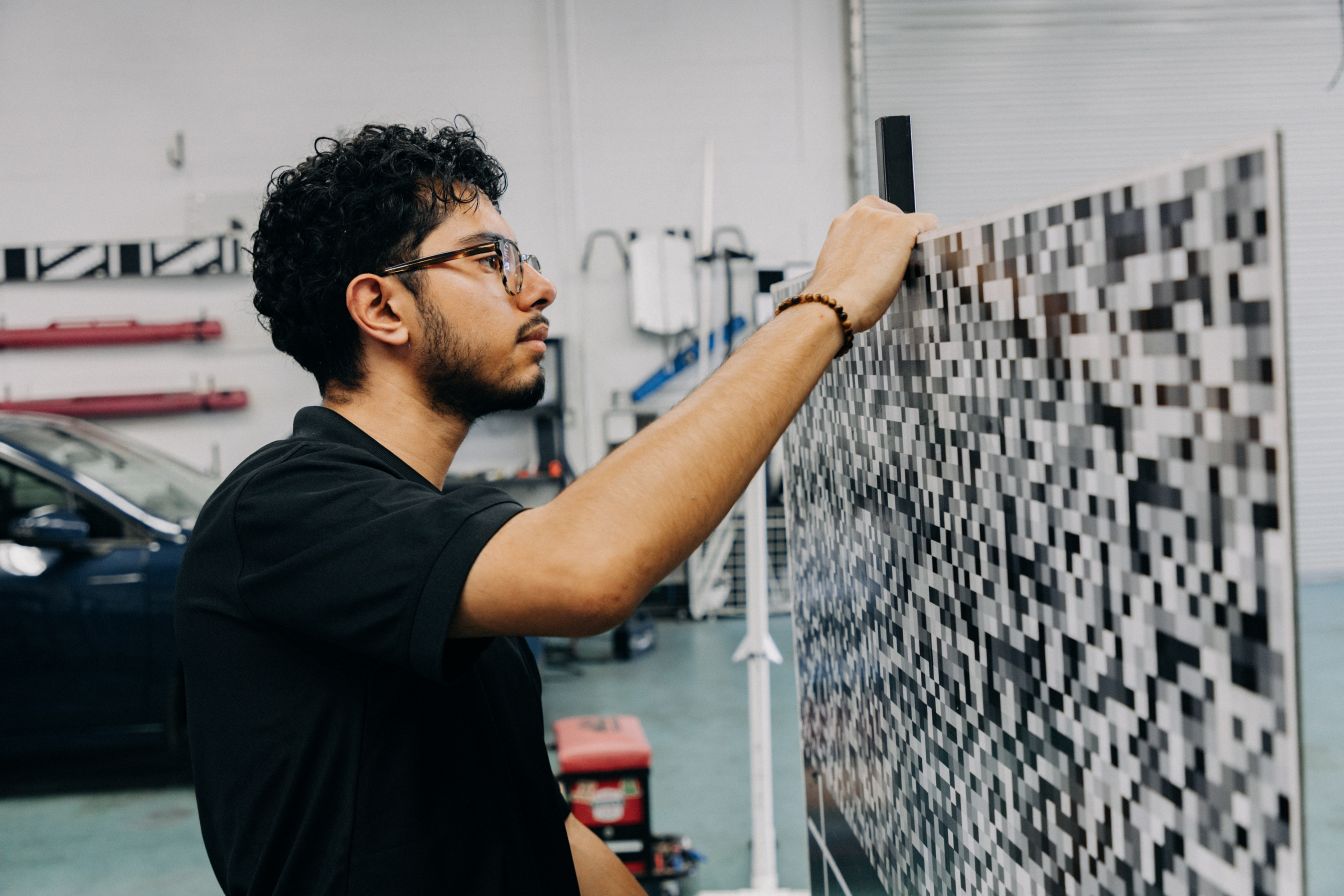
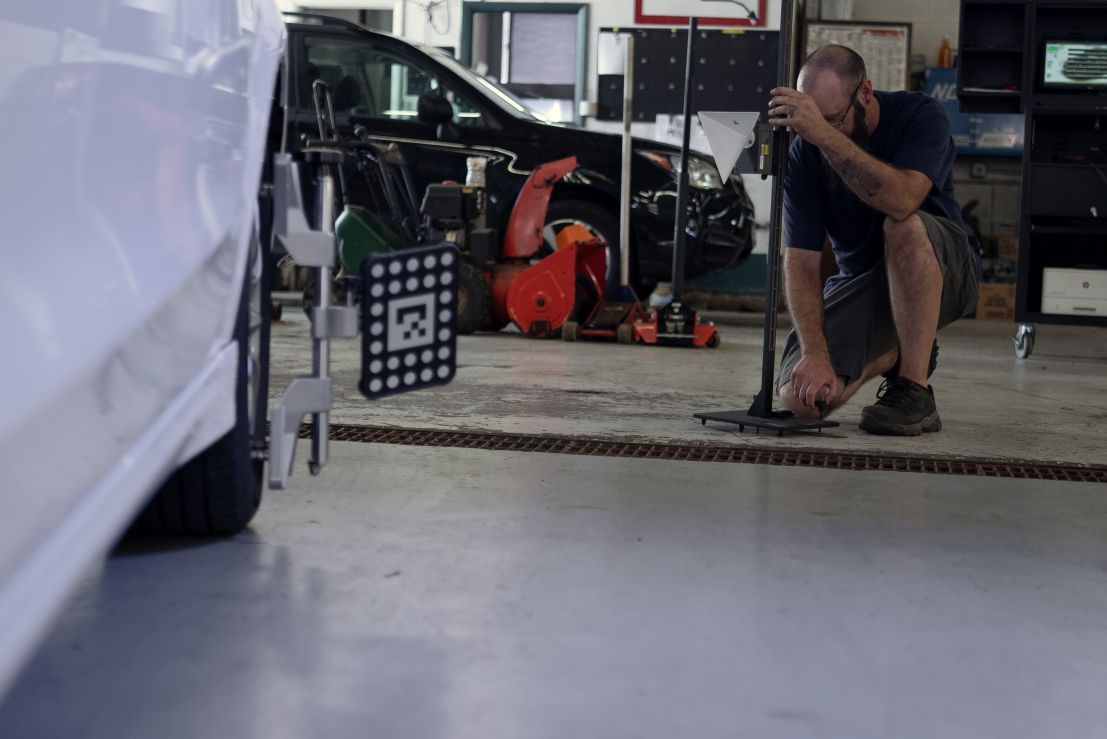
Static calibrations are those performed while the vehicle is stationary. RCW systems likely require some extent of static calibration due to their use of fixed radar sensors. This type of calibration consists of certain ride height measurements using a target board to ensure the correct vision for the sensors.
Dynamic calibrations on the other hand, are those performed while the vehicle is in motion. These calibrations are vital to testing that the sensors are correctly calibrated. Dynamic calibrations can include road tests to see if the system registers oncoming traffic from the rear.
Whatever the necessary tests, always ensure you follow OEM specs to avoid unnecessary work and to avoid missing anything you’ll need.
How RCW systems are changing
By 2021, 41% of all registered vehicles were equipped with rear radar sensors.
This number is expected to rise to 60% by 2026, bringing with it a surge in demand for accurate ADAS calibration. RCW systems and related features are becoming the norm and not just a luxury.
Therefore, your shop must be prepared to address the challenges and opportunities that this presents.
Because of this increase in technological sophistication of the auto industry, your shop and techs must be prepared to deal with the influx of these systems. Failure to do so will result in loss of profit, and surely a loss of your business.
Revv is a powerful tool that simplifies your ADAS process
Is your shop equipped to handle the continued surge in ADAS integration? You need a software partner that will enhance your workflow and raise your revenue. Choosing the correct partner is key, and Revv is here to take your shop to the next level.
With Revv, you will have access to:
- Instant identification of required calibrations
- Detailed OEM procedures
- Comprehensive documentation tools
- The ability to seamlessly integrate into current workflows and with existing shop systems
Revv has already done the tedious work; your technicians can focus on calibrating rear radar sensors with their full attention. Set up a call with our team and see how Revv ADAS can improve your shop by capturing more revenue and keeping your customers safe.