
Why optical geometry matters for safe calibration
A camera's field of view determines what ADAS systems can actually detect. Understanding how different camera types work (and how manufacturers implement them differently) is the difference between calibrations that pass diagnostic tests and calibrations that function correctly on the road.
This technical session breaks down camera types, optical principles, and the manufacturer-specific requirements that determine proper calibration execution.
That means:
- Incorrect lane centering
- Misinterpreted object detection
- Increased liability
- Reduced system performance
What You'll Learn:
✔ Optical Geometry — Simplified
You don’t need to be an engineer by any means, but you do need to understand:
- What field of view (FOV) means for different camera types
- How FOV determines what the system can detect
- Why calibration errors create blind spots in ADAS coverage
- Real-world impact of misaligned cameras on system performance
✔ Camera types and their functions
Understanding the different camera technologies and what they're designed to detect:
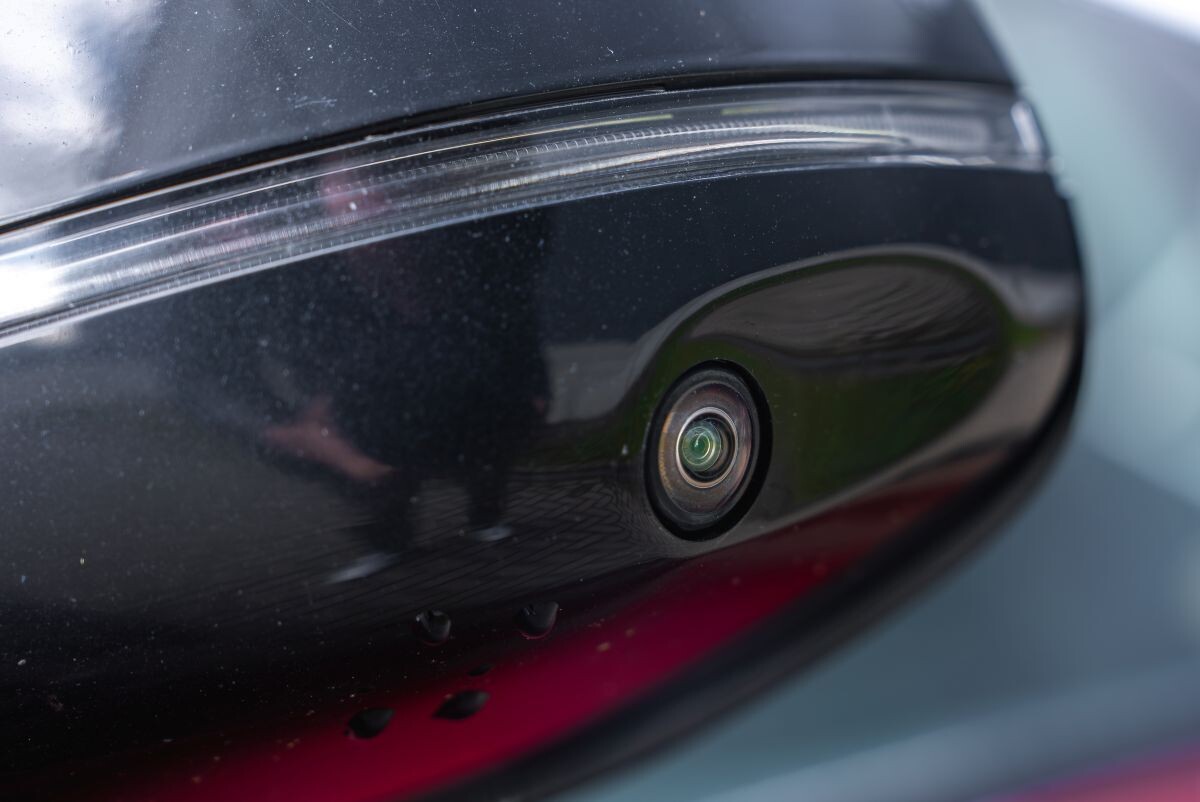
- Fisheye cameras - Wide-angle view for surround monitoring
- Wide-angle cameras - Typical front-facing camera characteristics
- Lane Keeping Assist (LKA) cameras - Specific optical requirements
- Lane Departure Warning (LDW) cameras - Detection parameters
- How camera type affects calibration procedures and target requirements
✔ The most common setup errors
Save the headaches later by understanding how to avoid:
- Improper centerline reference
- Uneven floors
- Incorrect target distance
- Lighting interference
- Windshield distortion
- Aftermarket glass challenges
- Alignment assumptions
✔ Camera alignment and proper installation
How reinstalling cameras correctly affects calibration success:
- Mounting bracket tolerances and specifications
- Windshield angle impact on camera alignment
- Reinstallation procedures that maintain calibration
- Verification steps before performing calibration
- Common installation errors that cause calibration failures
✔ OEM nuances that change everything
Why this is important as well as how to access current requirements:
- Brand-specific target placement differences
- Measurement variations between OEMs
- Tolerance sensitivity
- Software prompts vs. true procedural compliance
- Common misinterpretations of OEM documentation
✔ Calibration timing decision framework
When exactly to perform camera calibration in your repair workflow:
- Windshield with embedded camera - calibration requirements
- Camera damage scenarios requiring calibration
- PDR work in and around rearview mirror mounting area
- Sequence of repair operations before calibration can occur
- Final verification steps before vehicle delivery
Who Should Watch
- ADAS calibration technicians
- Auto glass replacement professionals
- Collision repair technicians working on camera-equipped vehicles
- Shop managers overseeing camera calibration operations
- Estimators pricing camera-related repair work
Level: Intermediate (201) — Assumes basic familiarity with ADAS systems; focuses on technical execution details




















.jpeg)