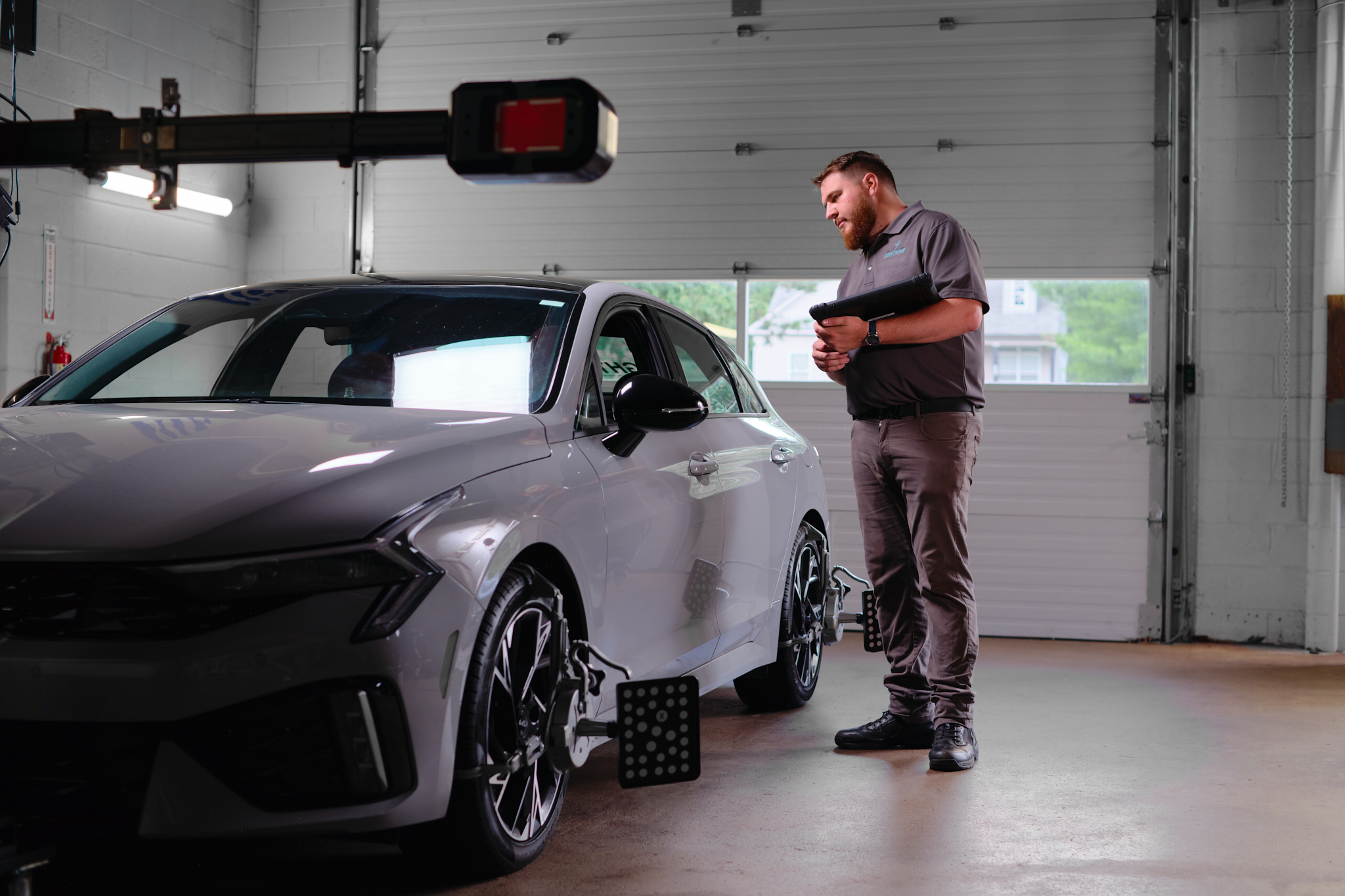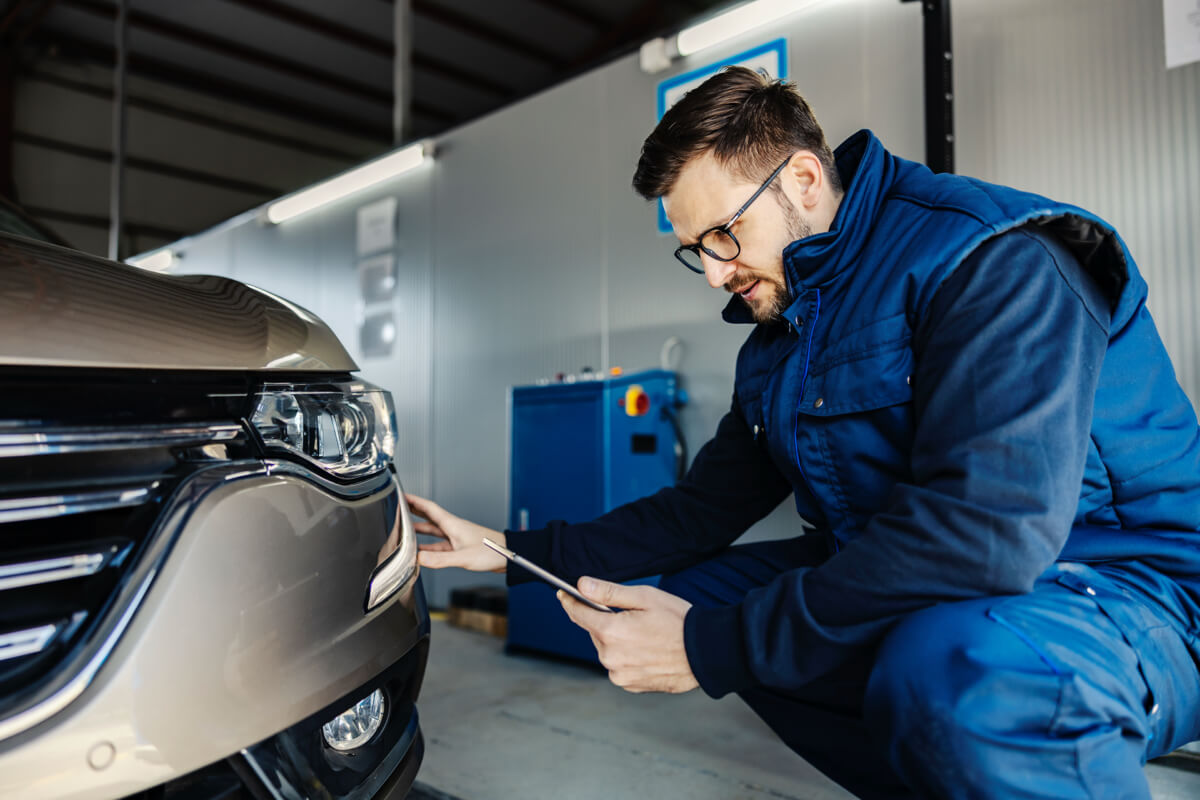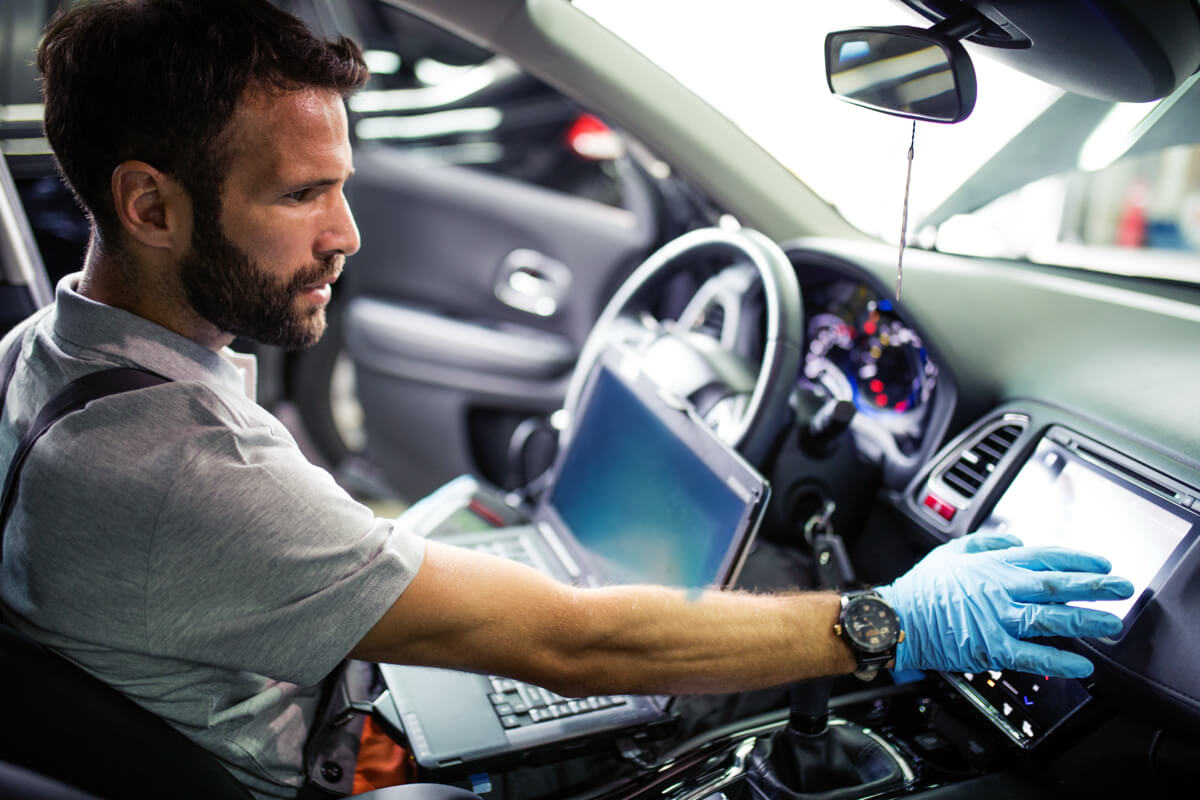
From the outside, a dynamic calibration looks simple. Plug in, drive, done.
That view is where a lot of incomplete procedures and denied invoices start. Battery voltage under spec, ride height off, a pending alignment, a radar bracket that shifted when the bumper cover went back on: any one of these will stop the procedure or produce a result that reads complete on the tool and can't be trusted.
This session covers the steps before, during, and after the drive that decide whether the calibration completes, holds, and gets reimbursed.
What you'll learn
✔ Confirming the vehicle actually needs a dynamic calibration
- Why "no lights, no codes, no calibration" leaves required work on the table, and why 22% of vehicles needing calibration left shops without one before systematic identification
- The triggers that call for calibration with no DTC present: four-wheel alignment, suspension work, windshield replacement, bumper cover R&I, and collision repair itself on many makes
- Why the OEM procedure decides what gets calibrated, even when the scan tool comes back clean
- What 27% of ADAS jobs involving a changed procedure means for the steps your tech remembers from the last one
✔ The pre-drive checks that decide whether the procedure completes
- Battery voltage, fuel level, ride height, and tire pressure: the vehicle conditions OEMs specify before the calibration starts
- Why related repairs and alignments have to be finished first, and what happens when they aren't
- Sensor mounting, brackets, and lens cleanliness: the physical inspection that catches a failed calibration before the drive
- Pre-scan and DTC documentation as the baseline for everything that follows
✔ Running the drive the way the OEM wrote it
- Road, speed, and visibility conditions the procedure calls for, and why "close enough" produces inconsistent results
- Why interruptions and skipped steps compromise a procedure even when the tool moves on
- Software updates and module communication: the checks that prevent a calibration from stalling mid-drive
- Building a make-specific pre-calibration checklist so the same steps happen on every vehicle
✔ Verification after the drive
- Post-scan, DTC clearance, and confirming calibration status on every affected module
- Why a road test after the calibration matters: confirming lane departure, forward collision, and blind spot systems actually respond
- What one degree of sensor deviation means at 60, 120, and 180 feet
- The red flags: procedures that won't complete, persistent DTCs after clearing, and inconsistent results between attempts
✔ Documentation that survives the adjuster
- The must-haves: pre- and post-scan results, calibration completion confirmation, test drive results, environmental conditions, date and time stamps, VIN, and the OEM procedure reference
- Why 77% of shops experience insurance pushback on ADAS charges, and what a complete file changes about that conversation
- Recording denials and shop-side conditions on the invoice to protect your liability position
Who should attend
- Calibration technicians performing dynamic calibrations in-house
- Shop owners and operators bringing dynamic calibrations in-house, or auditing how they're done today
- Estimators responsible for documenting calibration work for reimbursement
- Mechanical and alignment shops whose work triggers calibrations
- Mobile and centralized calibrators standardizing their process across technicians
Level
201 - This session assumes working familiarity with ADAS systems and the difference between static and dynamic calibration.