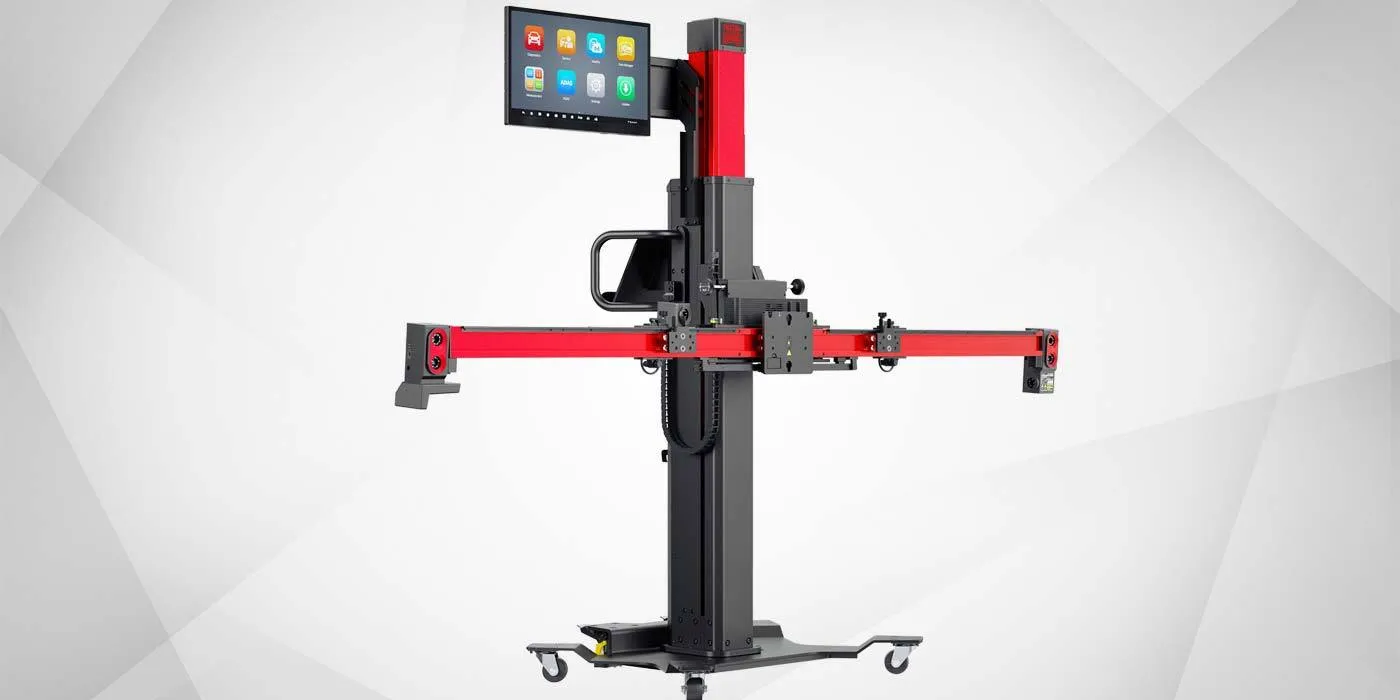
Meet the Sensors: Cameras, Radar, Ultrasonics, and Where They Live
ADAS features require a host of sensors, cameras, modules, and more so they function properly and keep vehicles safe. Understanding what each sensor does, where it's located, and when it needs calibration helps you identify requirements correctly and explain ADAS systems to customers who don't understand why their repair bill includes calibration work.
May 28, 2026 1:00 PM
Speakers

What You'll Learn:
✔ Sensors vs. modules: what's the difference?
Understanding component types and why the distinction matters for calibration:
- ADAS sensors, modules, and ECUs - how each functions.
- Why some components are ADAS-related and others aren't
- Paying attention to both types in the right way during repair
- Visual identification of different component types
✔ Vehicle automation levels
How ADAS has grown in complexity as vehicles become more automated:
- Levels 0-5 of vehicle automation - Industry standard classifications
- What features are present at each automation level
- How automation level affects calibration frequency
- Future trends in automation and what they mean for repair shops
✔ Camera sensor types and applications
Different camera technologies and what they're designed to detect:
- Front-facing cameras - Lane departure, collision warning, traffic sign recognition
- Surround-view cameras - 360-degree monitoring and parking assistance
- Interior cameras - Driver attention monitoring systems
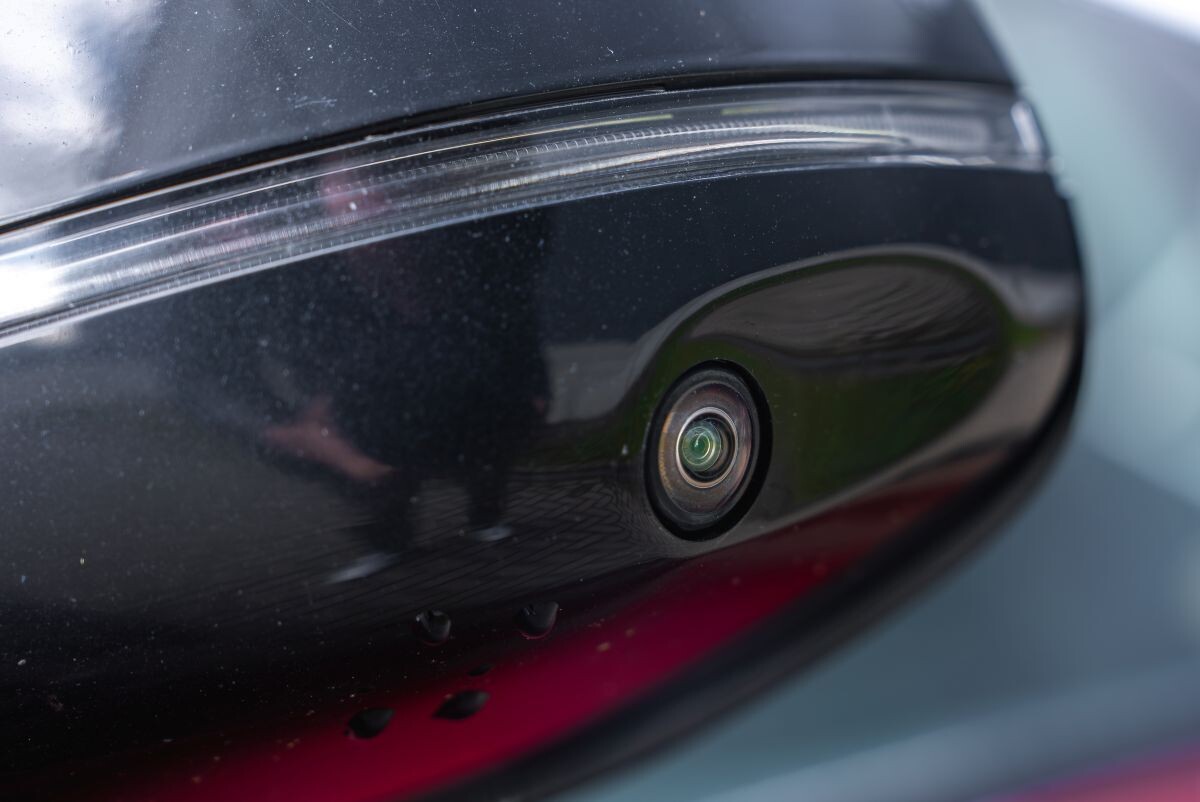
- Rearview cameras - Backup assistance and trailer monitoring
- Where cameras are mounted and what triggers recalibration
✔ Radar sensor types and functions
How radar technology works and what it detects:
- Long-range radar - Adaptive cruise control, forward collision warning
- Short-range radar - Blind spot monitoring, cross-traffic alert
- Corner radar - Intersection and side detection
- Radar mounting locations (front bumper, rear bumper, side mirrors, quarter panels)
- When bumper work or replacement requires radar recalibration
- Common radar calibration requirements by manufacturer
✔ LiDAR technology
Understanding LiDAR sensors in emerging ADAS applications:
- What LiDAR detects that cameras and radar cannot
- Where LiDAR sensors are mounted on vehicles
- Current LiDAR adoption by manufacturer
- Calibration requirements for LiDAR-equipped vehicles
- Future LiDAR technology trends
✔ Ultrasonic sensors
The most common proximity sensors and when they need attention:
- Parking assist sensors - Front and rear bumper mounting
- Cross-traffic alert sensors - Rear quarter panel locations
- Blind spot detection - Side mirror and fender mounting
- When painting or bumper replacement affects ultrasonic sensors
- Calibration vs. simple relearning procedures
✔ Customer communication: explaining ADAS to vehicle owners
How to talk about sensors and calibration in terms customers understand:
- Translating technical requirements into customer benefits
- Explaining why calibration is necessary for their specific repair
- Addressing customer objections about calibration costs
- Demonstrating what happens when systems aren't calibrated properly
- Using visual aids to show sensor locations and functions
- Building customer confidence in your ADAS expertise
Who Should Watch
- Service advisors who explain ADAS work to customers
- Estimators identifying calibration requirements
- Technicians performing repairs near ADAS sensors
- Shop managers training teams on ADAS awareness
- Anyone who needs to communicate ADAS requirements to customers
Level: Foundational to Intermediate (101-201) — Accessible to all roles, combines technical knowledge with customer communication strategies
Explore more insights
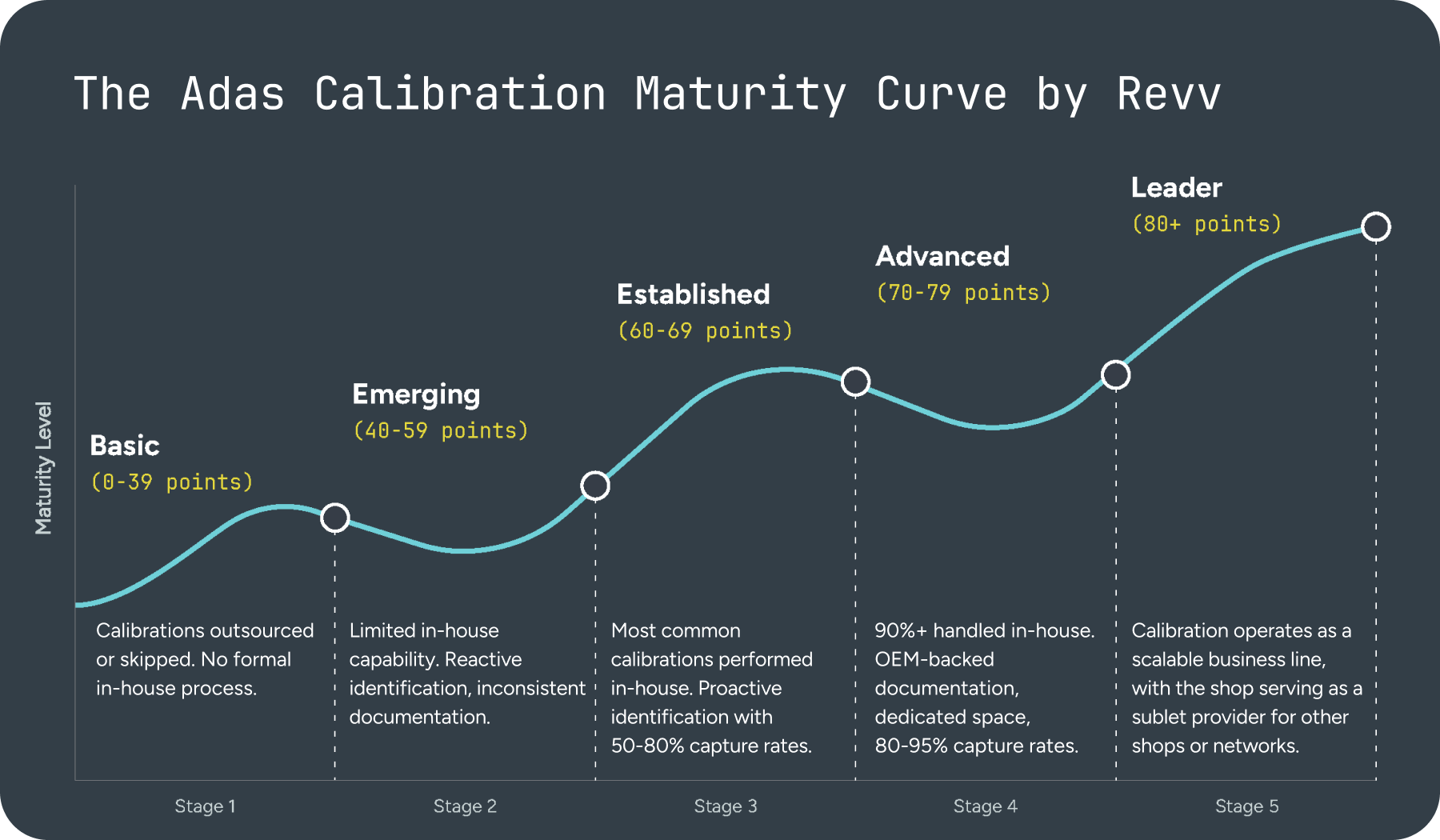
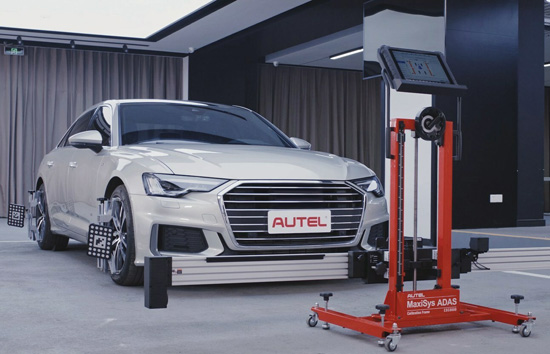
Sublet, Invest or Both? A Decision Framework for Offering ADAS Calibration Services
March 11, 2026

This NASA Competition Winner Slept in Auto Repair Shops to Find His Startup Idea. Here’s How His Company Achieved $1 Million in Revenue in 6 Months.
January 19, 2026


Revv Launches United ADAS Collective, the First Dedicated Professional Organization for the Calibration Community
January 11, 2026

Revv launches United ADAS Collective to set calibration standards, offer education
January 11, 2026

2025 Data Points to Fewer Claims, More Collision Repair Complexity in 2026
December 30, 2025
Federal ADAS Bill Aims to Close the Modified Vehicle Gap That Leaves Some Cars Uncalibrated
December 29, 2025
New Survey Finds 86% of Shops Perform ADAS Calibrations, But Only 21% Have Optimized the Process
December 28, 2025
Panel Takes on State Farm's ADAS Calibration ID Tool Requirement, Dealing With Conflicting Info
December 2, 2025









Preventing Common ADAS Failures Can Save Shops Millions in Liability Costs, Analyst Says
September 18, 2025

Interview: CCC's Dan Risley Examines Trends in Scanning, Calibration and the Impact on Cycle Time
September 10, 2025
ADAS Secrets Revealed: Joel Adcock on the Future of Collision Repair & Revv HQ
August 19, 2025
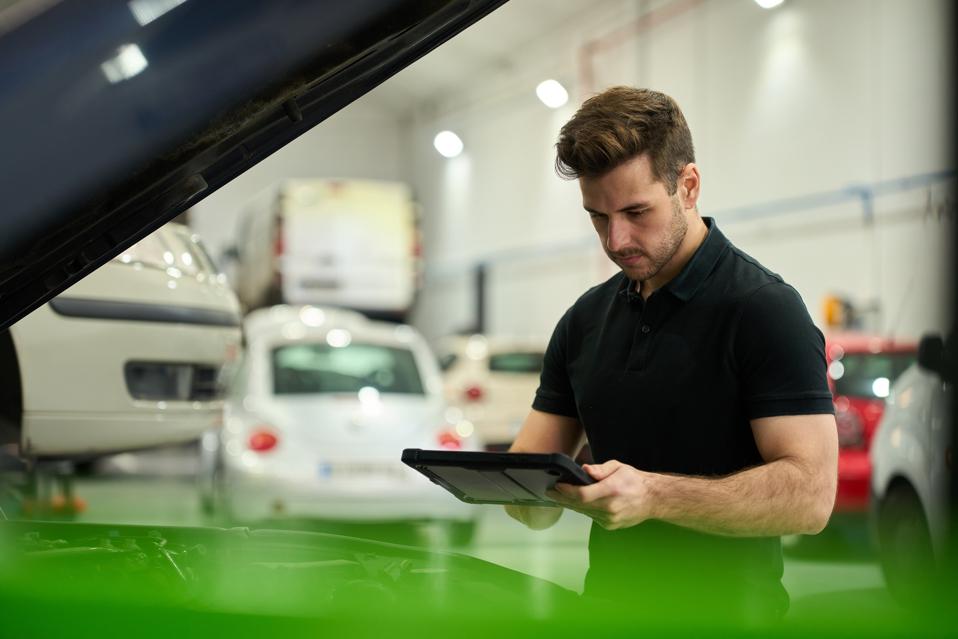
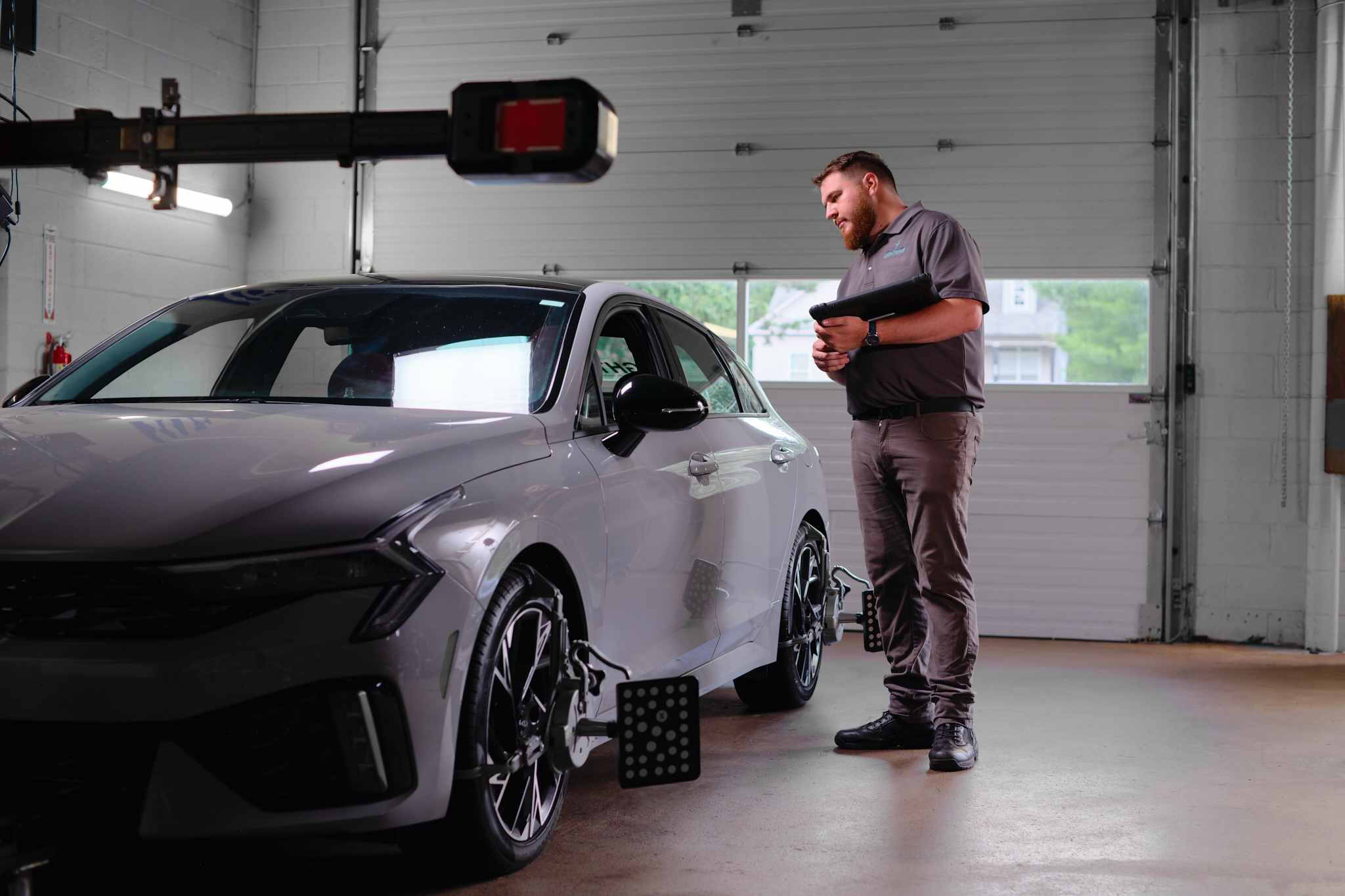


ADAS Talent Crisis in Collision Repair: Tech Solutions to Bridge the Skills Gap
July 7, 2025
.jpeg)
From Sleeping in Auto Shops to $33M: How Revv Cracked the Code on Vertical SaaS Sales
July 1, 2025
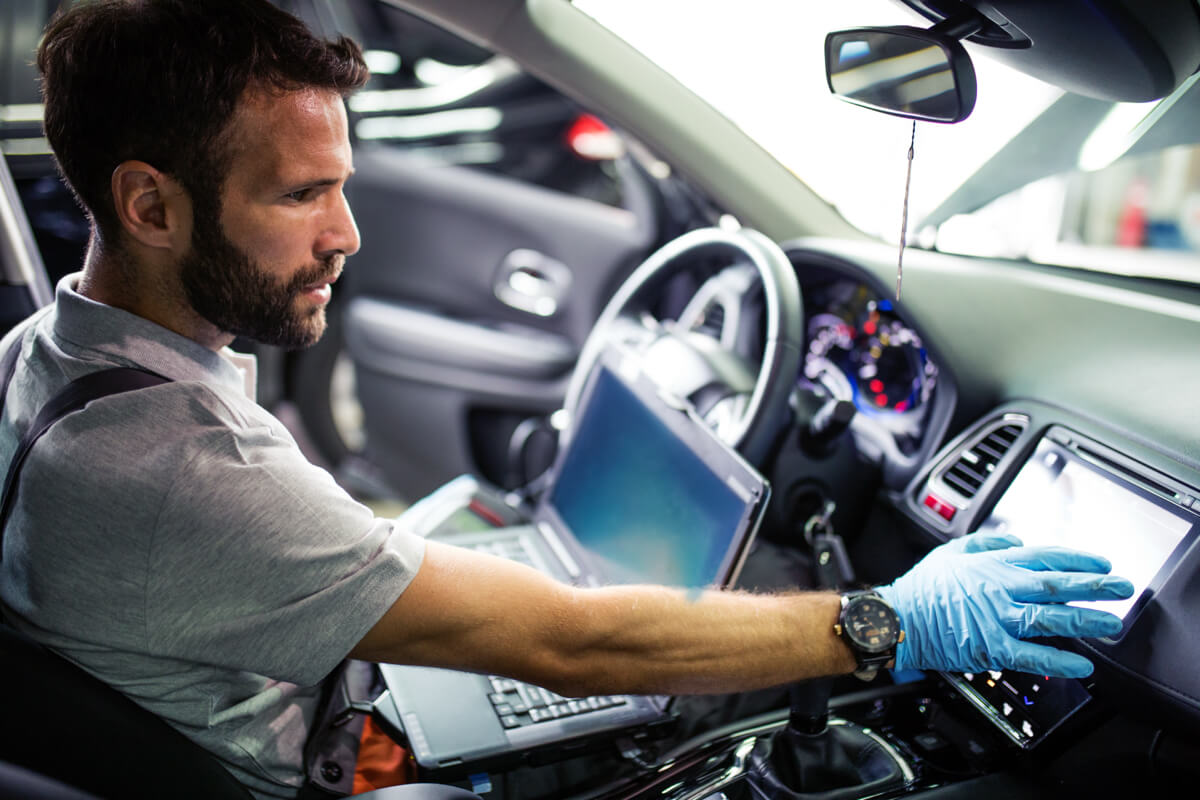
Fixing the Fixers: How Technology is Closing the Operational Gap in Auto Repair
June 29, 2025

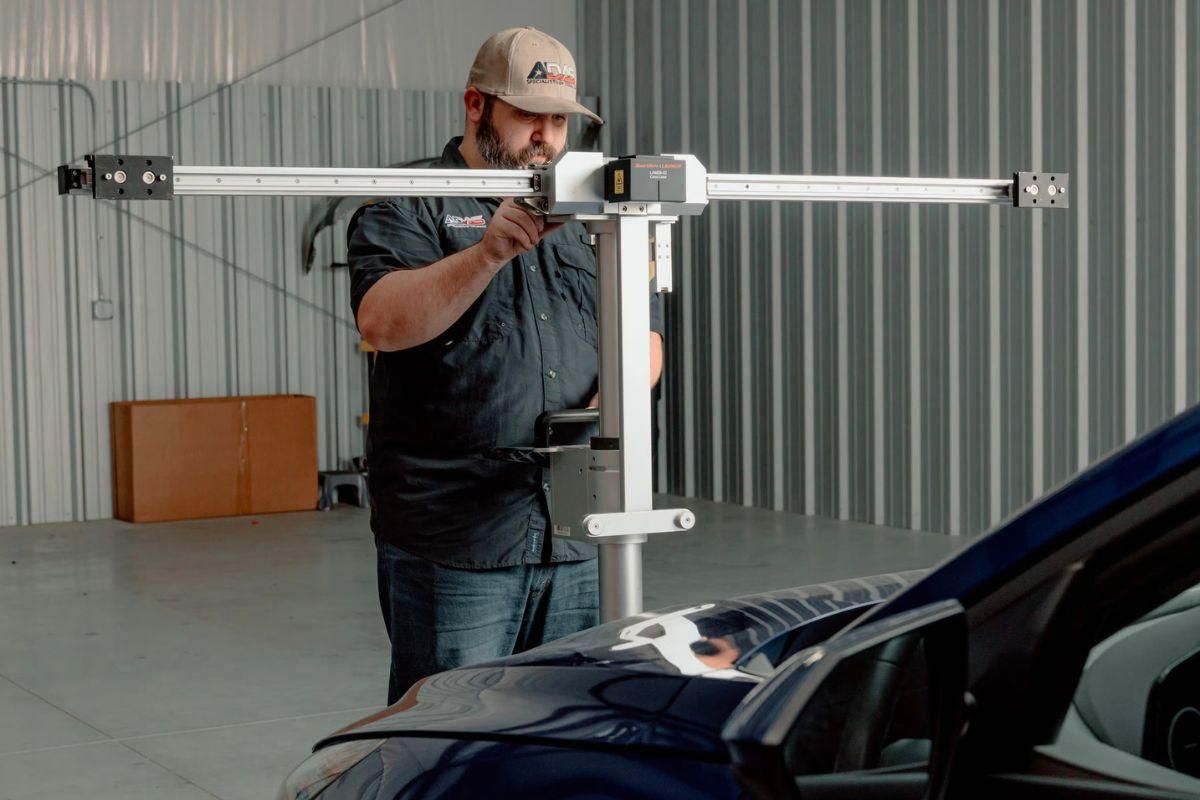
Kaizen Glass, Revv Partner to Streamline ADAS Calibrations for Safer, Smarter Repairs
June 12, 2025

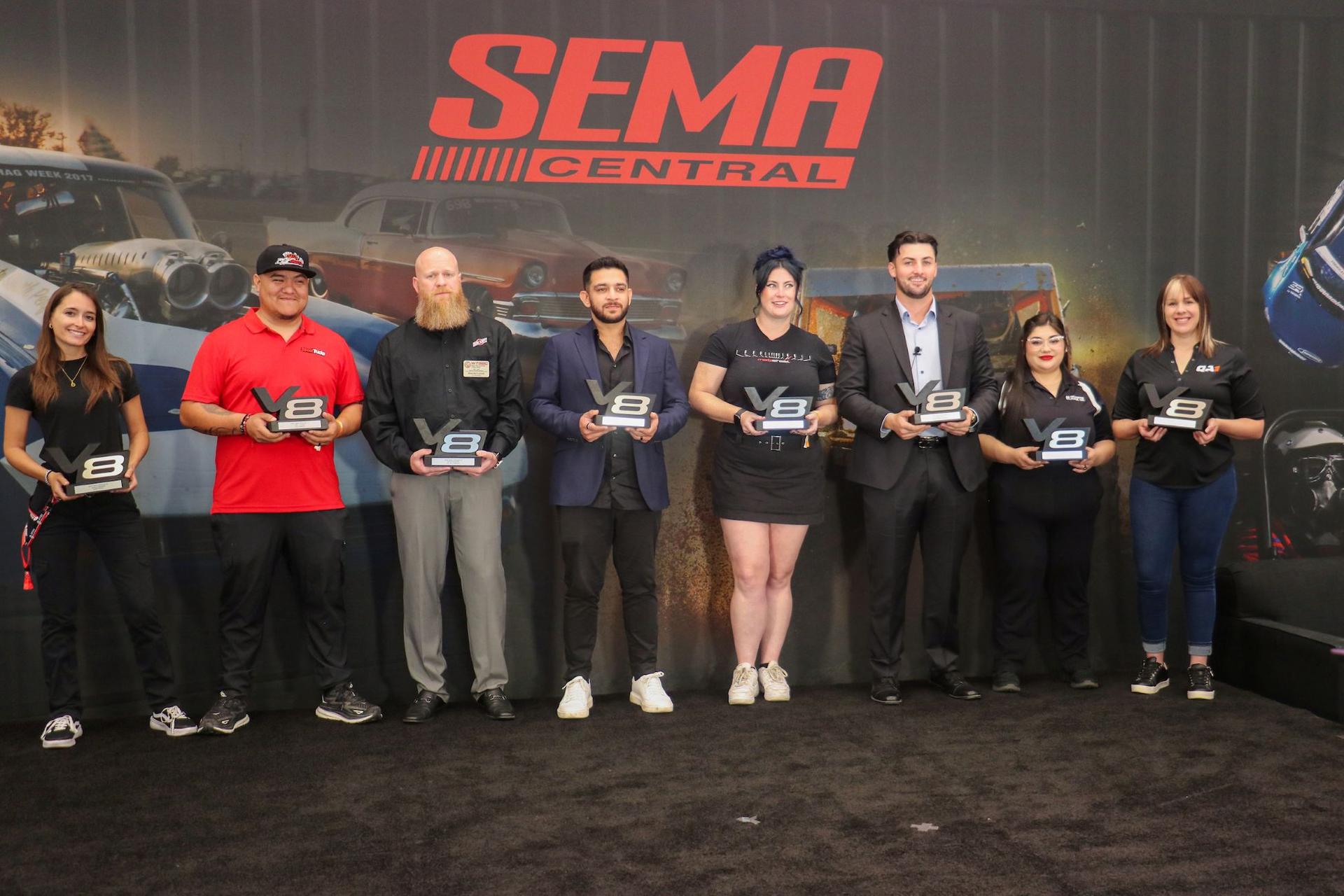
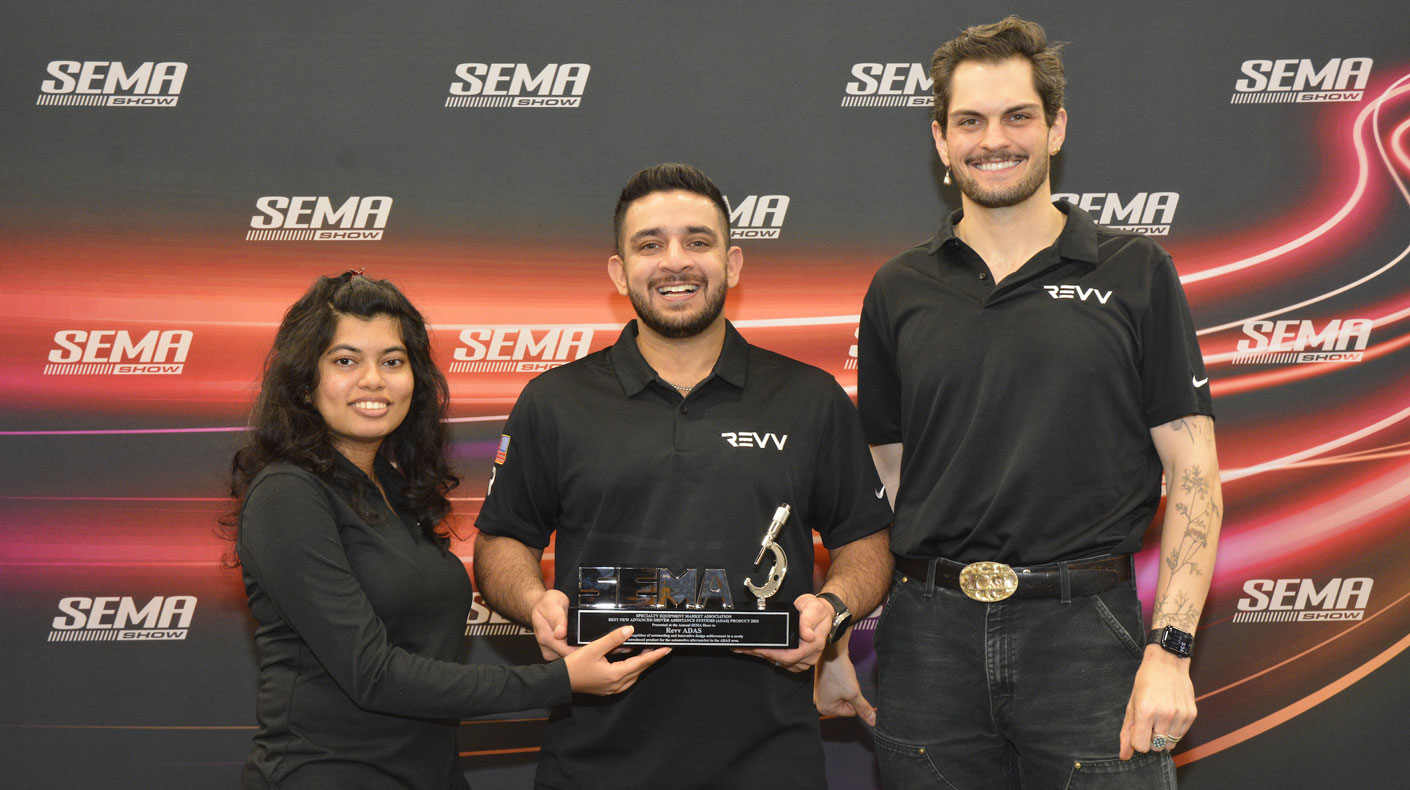
SEMA 2024 New Product Awards: I-CAR, Revv Win Collision Repair, ADAS Categories
November 4, 2024

Revv Raises $20M to Help Auto Repair Shops Navigate Complex Vehicle Systems and Drive Bottom Line Growth with AI
October 31, 2024