.png)
A part getting replaced is only one reason a vehicle needs calibration. This session covers the five categories of change that actually trigger a calibration requirement, and how to catch them before a vehicle leaves the shop.
Calibration decisions still get made off the repair line, based on what part was replaced. ADAS systems respond to something broader: geometry, sensor position, ride height, software state, and vehicle dynamics.
A calibration can be required even when the part in question was never touched. This session gives you a repeatable way to decide when calibration is on the table, and the reasoning to back it up.
What you'll learn
The five trigger event categories
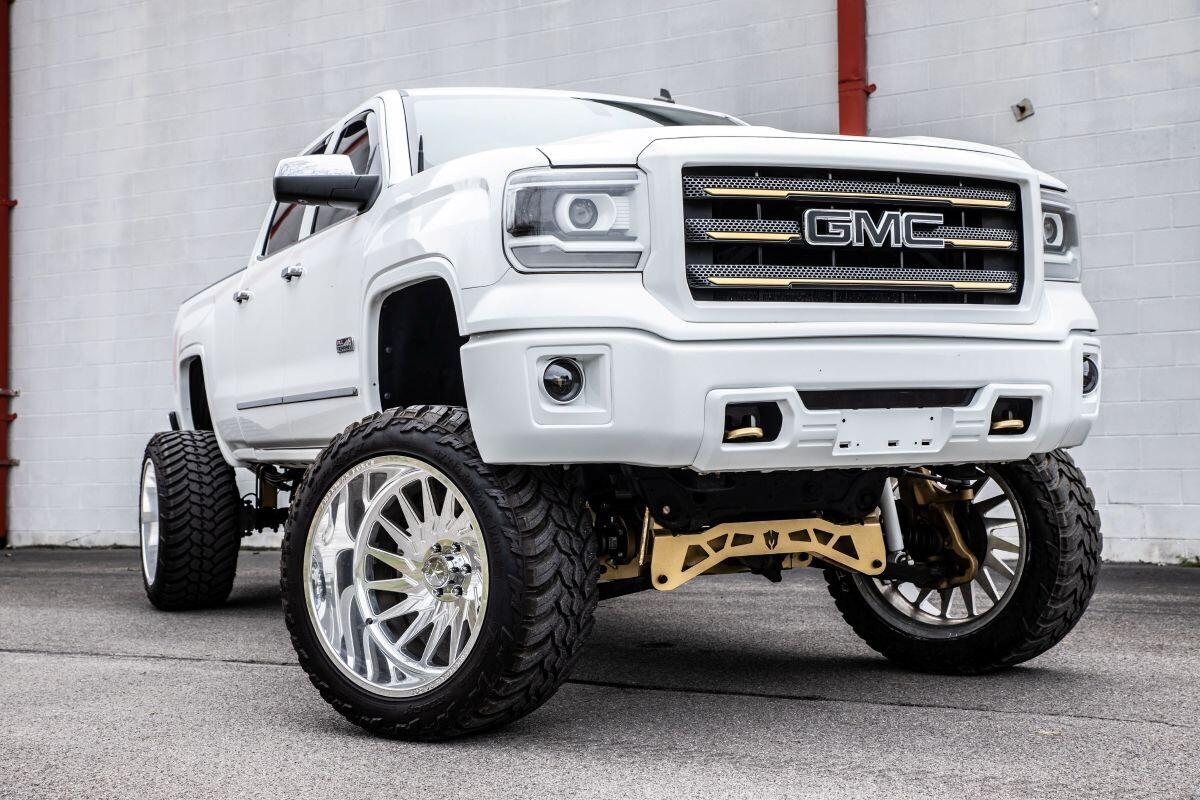
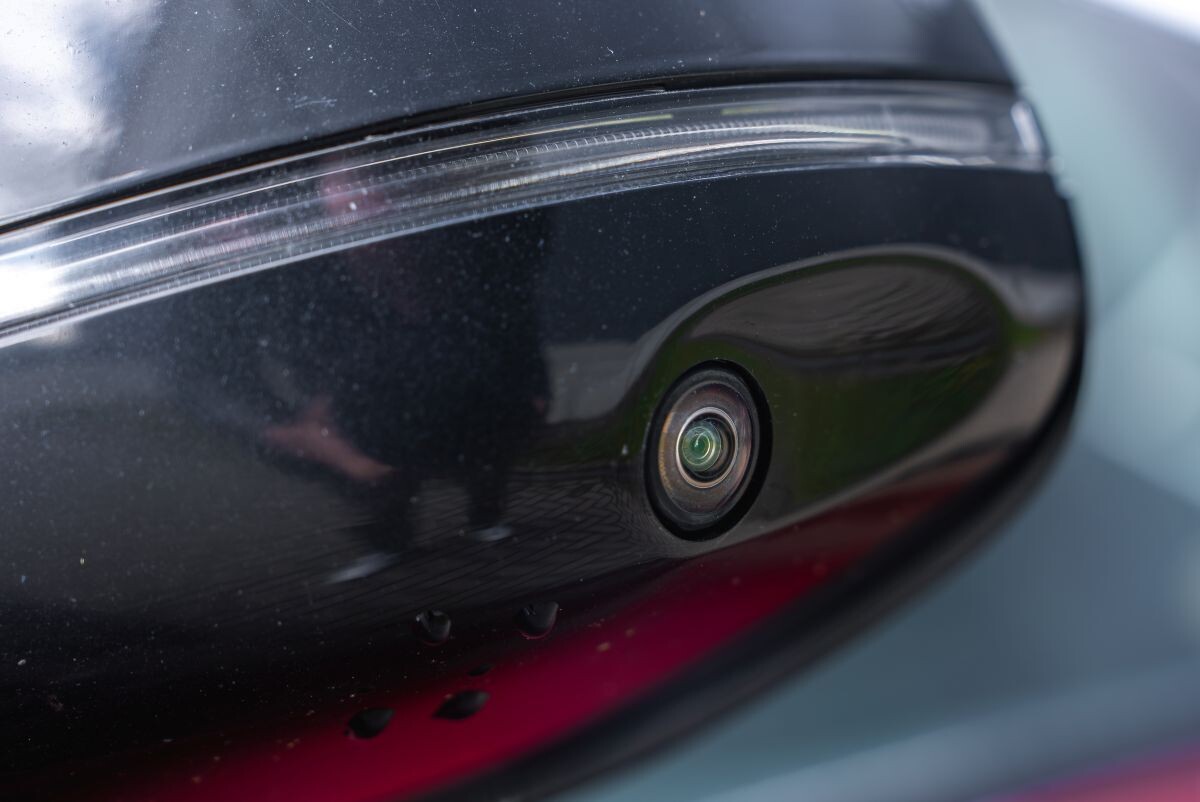
A framework for deciding when calibration is required, whatever the repair. ✔ Vehicle geometry: alignment, suspension repair, subframe removal, structural work, ride height ✔ Sensor position: windshield replacement, camera brackets, radar removal, bumper R&I, mirrors ✔ Vehicle dynamics: tire replacement, different tire sizes, lift and lowering kits, air suspension ✔ Software state: module programming, software updates, ECU replacement, battery disconnect ✔ Unknown history: salvage vehicles, prior repairs, and missing calibration records
The optical geometry behind trigger events
Why small changes have large consequences at road distances. ✔ How a fraction of a degree becomes feet of error hundreds of feet down the road ✔ Why a sensor can be reinstalled perfectly and still need calibration ✔ Why the mounting bracket often matters more than the sensor itself ✔ How structural movement changes sensor aim without the sensor being touched
Collision and mechanical trigger events that get missed
The scenarios that create the most disagreement in the shop. ✔ Structural movement without sensor damage: rail pulls, apron repairs, core support ✔ Bumper R&I: when the radar or bracket was actually disturbed ✔ Windshield replacement: camera mounting, glass quality, and adhesive cure ✔ Alignments, steering angle sensor work, and ride height changes ✔ Why mechanical shops are increasingly running ADAS work
A four-question decision tree you can use right away
A simple test for the calls that come up every day.
✔ Did vehicle geometry change?
✔ Did sensor position change?
✔ Did software change?
✔ Does the OEM procedure require calibration?
✔ How to handle the vehicles where the history is unknown
When your sources disagree
OEM procedures, estimating platforms, and scan tools do not always match.
✔ Why a clean scan with no warning lights can still require calibration
✔ Which source settles the call, and why it is the OEM procedure
✔ Documentation that ties the calibration to the procedure and holds up against pushback
Who should attend
✔ Shop owners and operators deciding how to handle ADAS work
✔ Estimators identifying calibration requirements and writing them into estimates
✔ Calibration technicians performing the work
✔ Service advisors explaining calibration requirements to customers
✔ Mechanical shops seeing more ADAS work through alignment, tire, and suspension jobs
Level: Foundational to intermediate (101-201). Accessible to all roles, with practical technical depth.



















.jpeg)