.png)
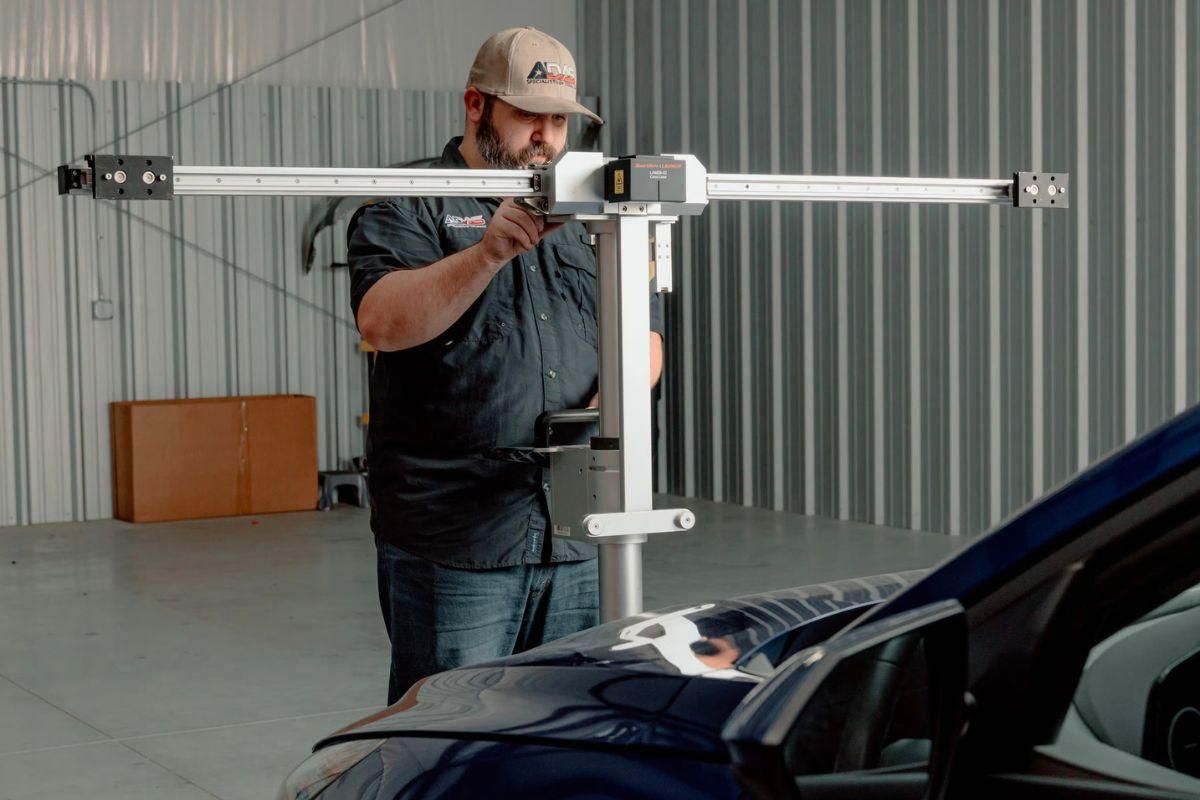
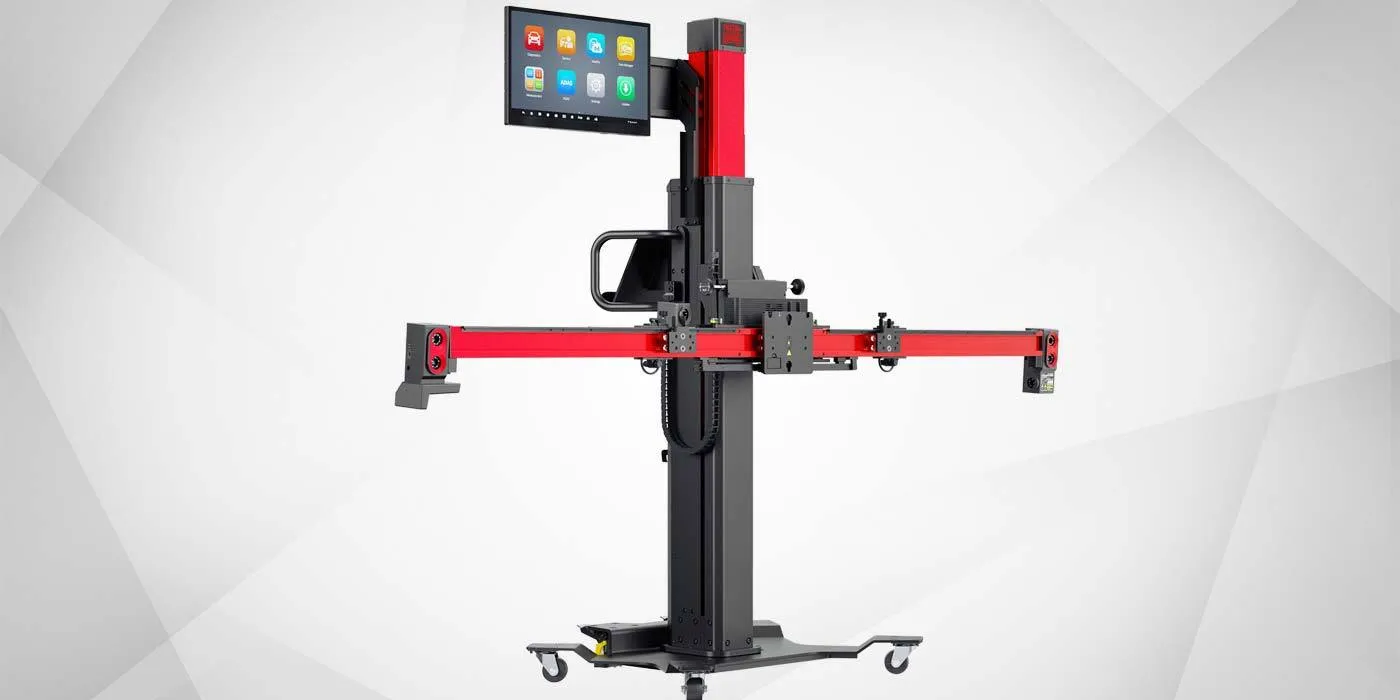
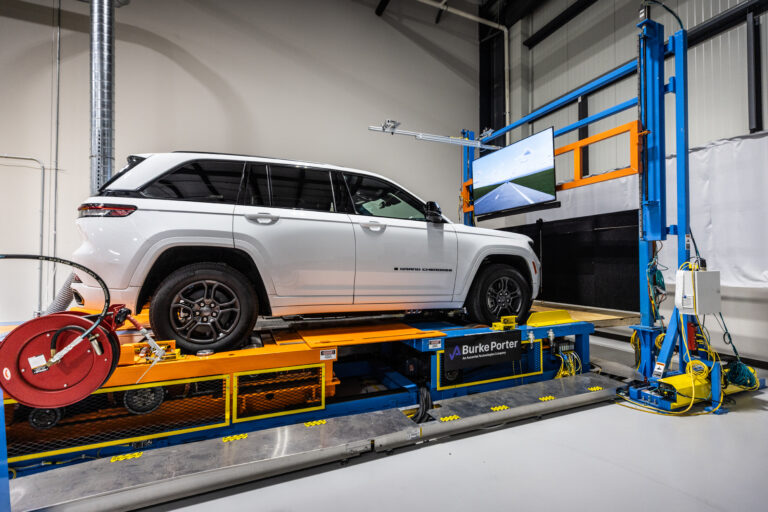
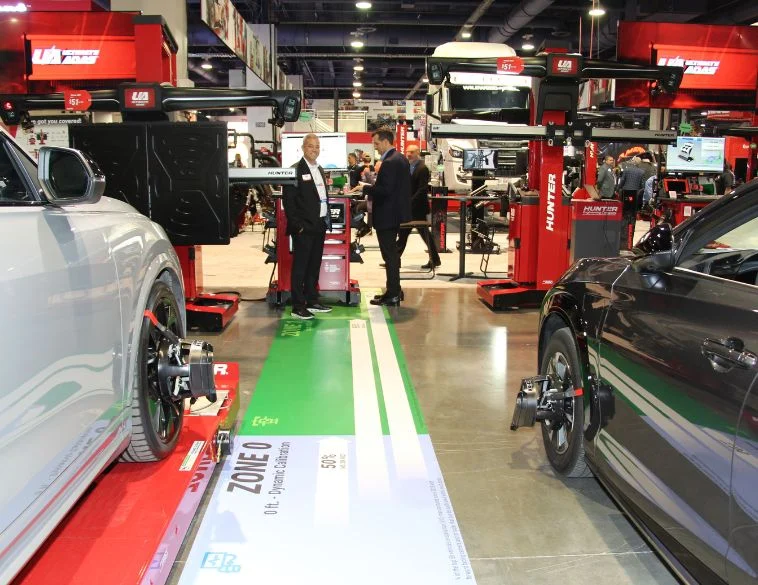
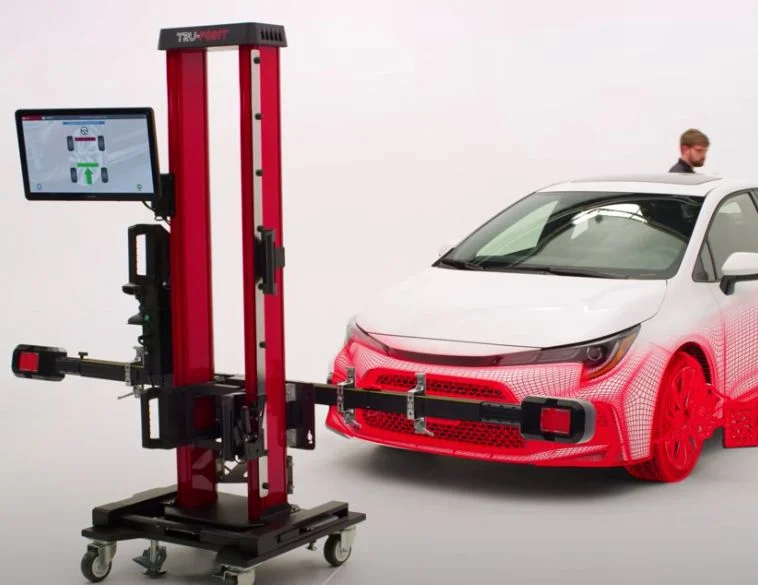
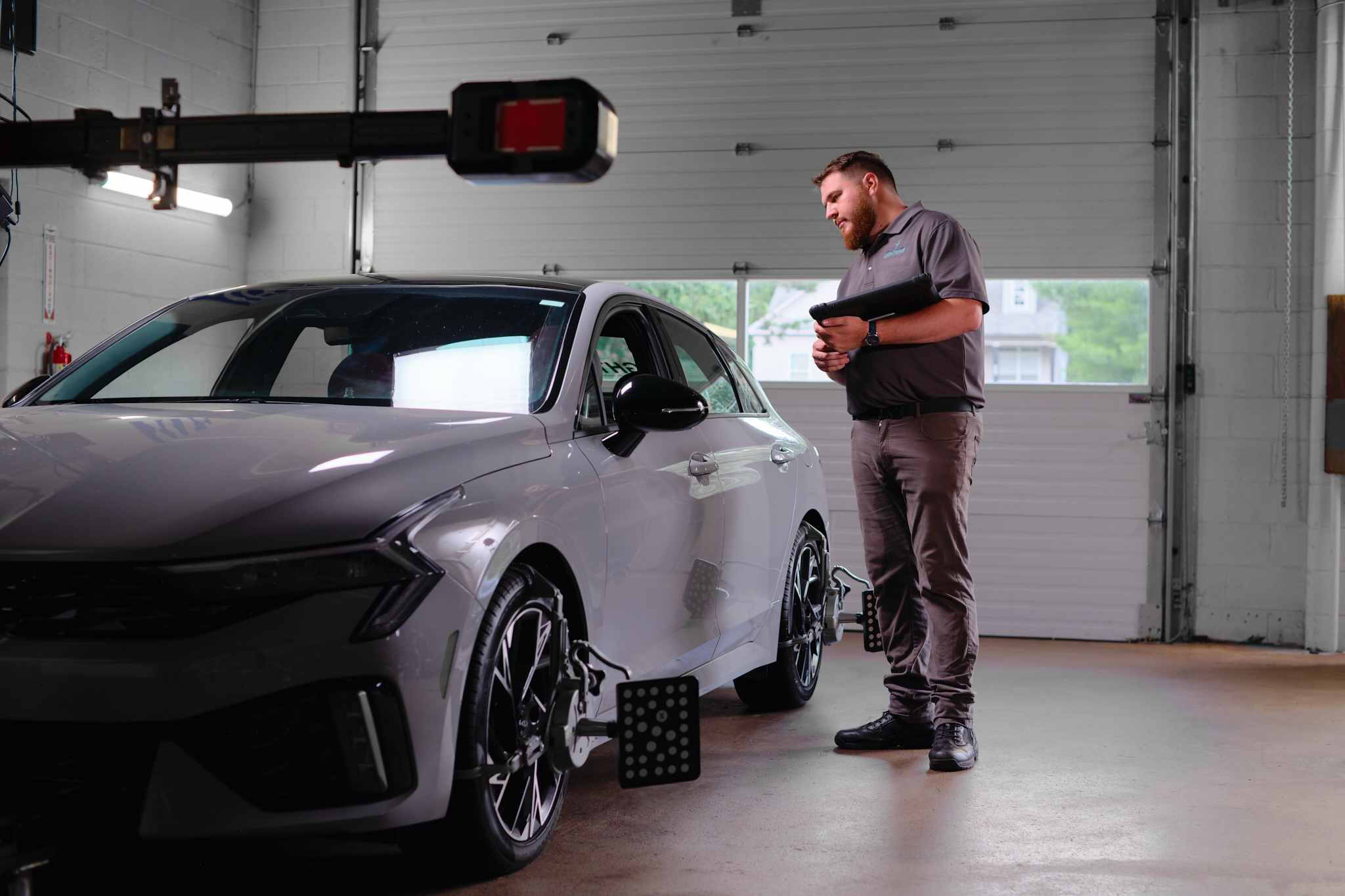
86% of shops perform some calibrations in-house, but only 21% say their operation is fully optimized. The difference usually traces back to the beginning: a bay that was set up around guesses instead of the shop's actual repair mix. This session covers the space, lighting, and equipment decisions that determine whether your calibration bay pays for itself or becomes an expensive lesson.
What you'll learn
✔ How to size and prep your calibration space
- Why a dedicated space matters and what happens in shared or cluttered bays
- Floor level tolerances and how to check whether your bay measures up
- How much room targets and positioning actually require
- The environmental failures that cause calibrations to abort or drift
✔ Lighting and surfaces done right
- What proper lighting looks like for camera-based calibrations
- Why reflective surfaces are one of the top causes of failed calibrations
- Simple fixes for common environment problems before you spend on equipment
✔ What to buy first (and what to skip)
- How to build your equipment list around your highest-volume makes and models
- The real numbers: $25K to $75K+ initial investment ranges and $18,773 in average annual ongoing costs
- Why one tool set rarely covers every make, and how to plan around coverage gaps
- Calculating ROI against your current sublet costs so you know your break-even before you buy
✔ The four questions to answer before you invest
- Volume, space, staff, and capital: how to honestly assess your readiness
- When subletting part of your calibration work is the smarter interim move
- How shops run hybrid models while ramping up in-house capability
Who should attend
- Shop owners and operators evaluating in-house calibration
- Operations managers planning a bay build-out or expansion
- Estimators who want to understand what happens after the write-up
- Mechanical shop owners adding calibration capability
- Anyone who has priced ADAS equipment and wondered where to start
Your speaker
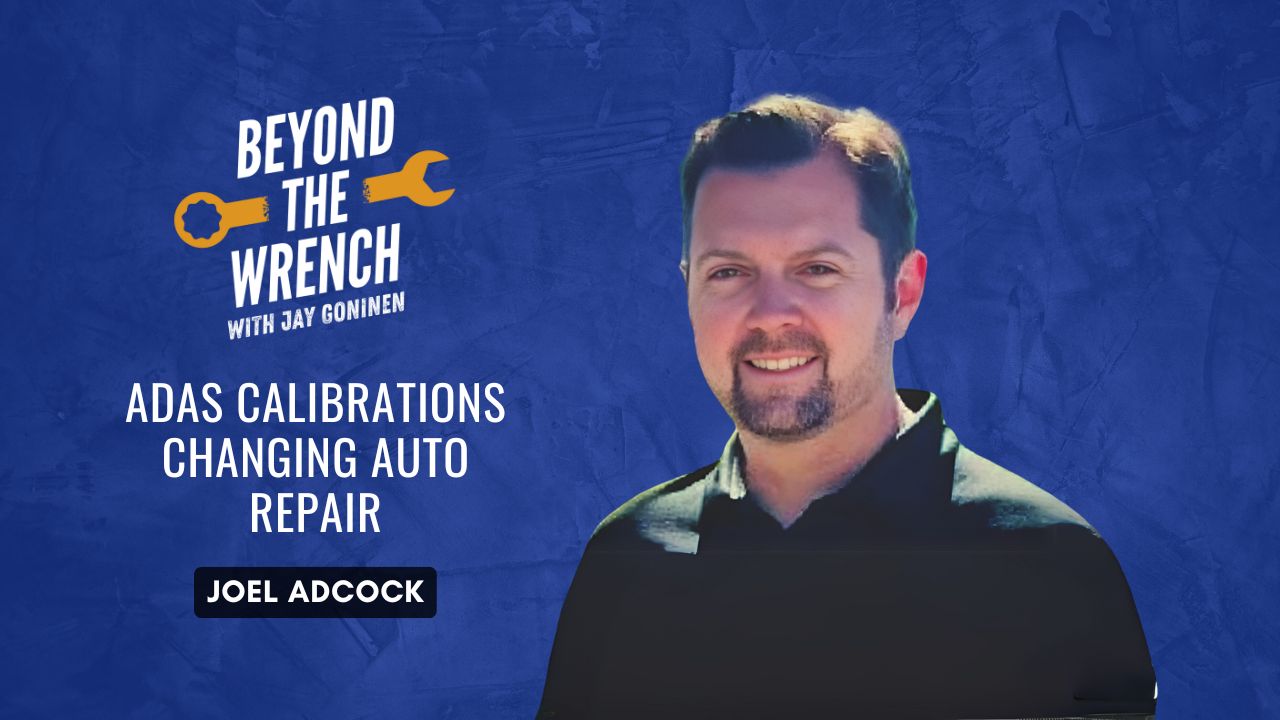
Joel Adcock Director of Strategic Partnerships, Revv | Executive Director, United ADAS Collective
Joel works with shops across the country on ADAS operations, from first calibration to full in-house programs. As Executive Director of the United ADAS Collective, he leads a community of over 1,000 industry professionals focused on ADAS education and standards.
Logistics
Tuesday September 22, 2026 1:00 PM ET | 12:00 PM CT | 10:00 AM PT 60 minutes including live Q&A Can't make it live? Register anyway and we'll send the recording.








.jpeg)