
The foundation for profitable ADAS operations
If you’re new to ADAS, you might think the first step is getting the right equipment.
Long-term success, however, relies on understanding the complete workflow—what happens before calibration, during calibration, and after calibration to ensure proper reimbursement.
This foundational session covers everything you need to know before making ADAS investments, from pre-scan and post-scan protocols to environment requirements to documentation that gets paid.
What You'll Learn:
✔ The 5 questions every shop should answer before getting started
- Are we ready?
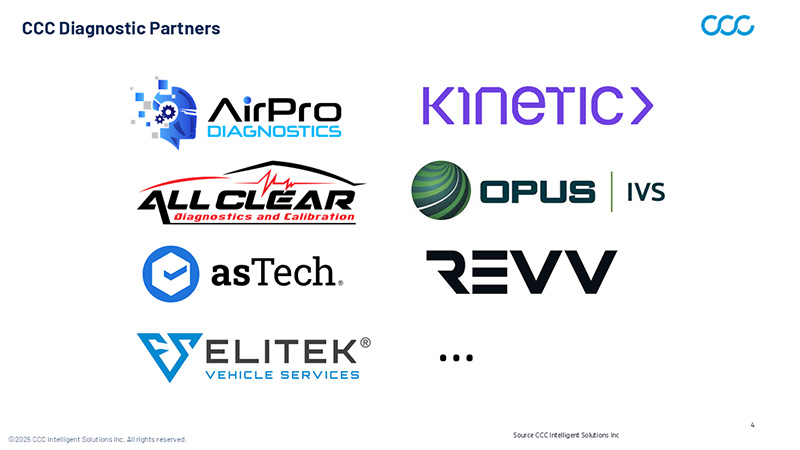
- Do we need partners?
- What equipment (if any) makes sense?
- What training gaps exist?
- How do we protect ourselves?
✔ Pre-scan and post-scan protocols
Why scans are required before and after repair work, what DTCs indicate calibration requirements, and how scan results drive your repair process:
- When pre-scans must happen in the repair workflow
- How to interpret scan results for calibration requirements
- Post-scan verification that systems are functioning properly
- Documentation requirements for insurance claims
✔ Documentation that gets reimbursed the first time & mitigates liability
What insurance companies need to see, how to present calibration charges, and the specific documentation that overcomes pushback:
- Breaking down charges into detailed line items
- Pre-scan and post-scan diagnostic results (DTCs)
- OEM procedure printouts or manufacturer documentation links
- Calibration certificates and completion documentation
- Strategies that work when insurance questions your charges
✔ Front-to-back of house workflow processes
Getting everyone in your shop aligned on ADAS processes, from service advisors to estimators to technicians:
- Why front office and shop floor alignment determines success
- Specific responsibilities from estimator to technician to management
- Communication gaps that cause missed calibrations or billing errors
- Building buy-in across different roles so ADAS work gets captured every time
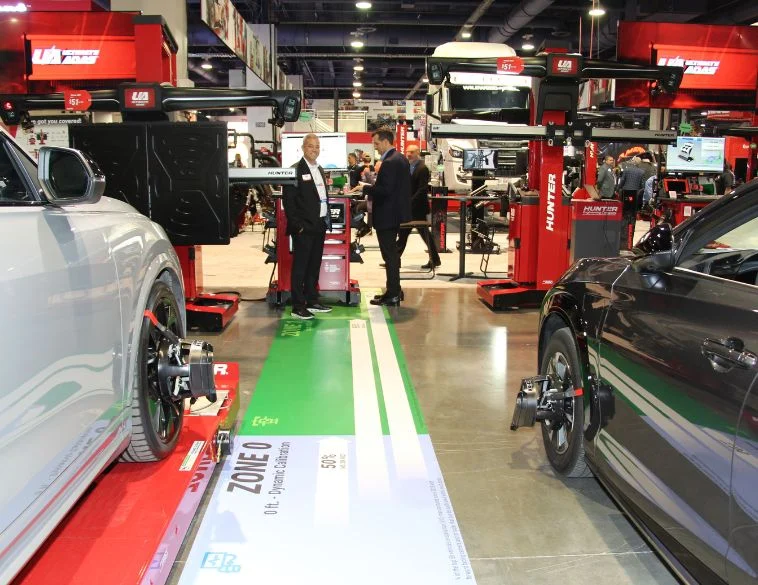
✔ Environment requirements
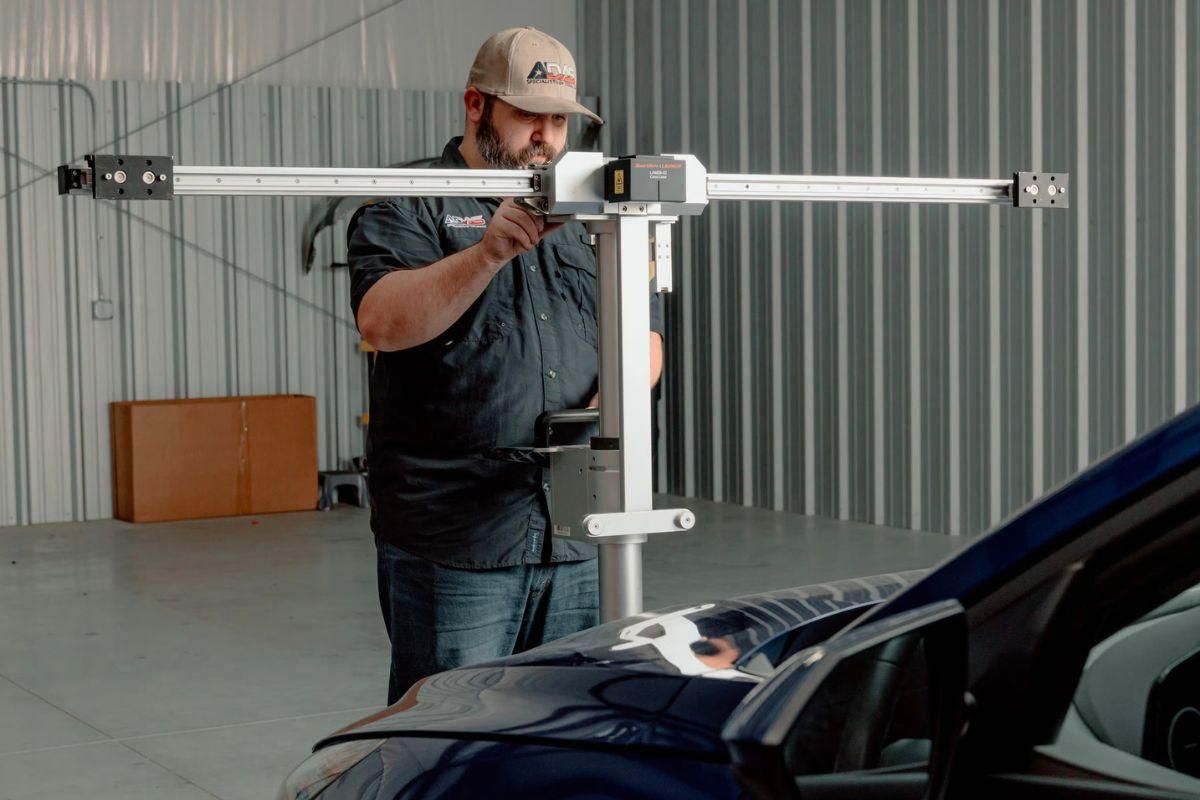
What your calibration space actually needs, from floor tolerances to lighting to space requirements:
- Dedicated calibration bay specifications
- Floor level requirements
- Lighting conditions for different calibration types
- Space requirements for target placement
- Temperature and environmental controls
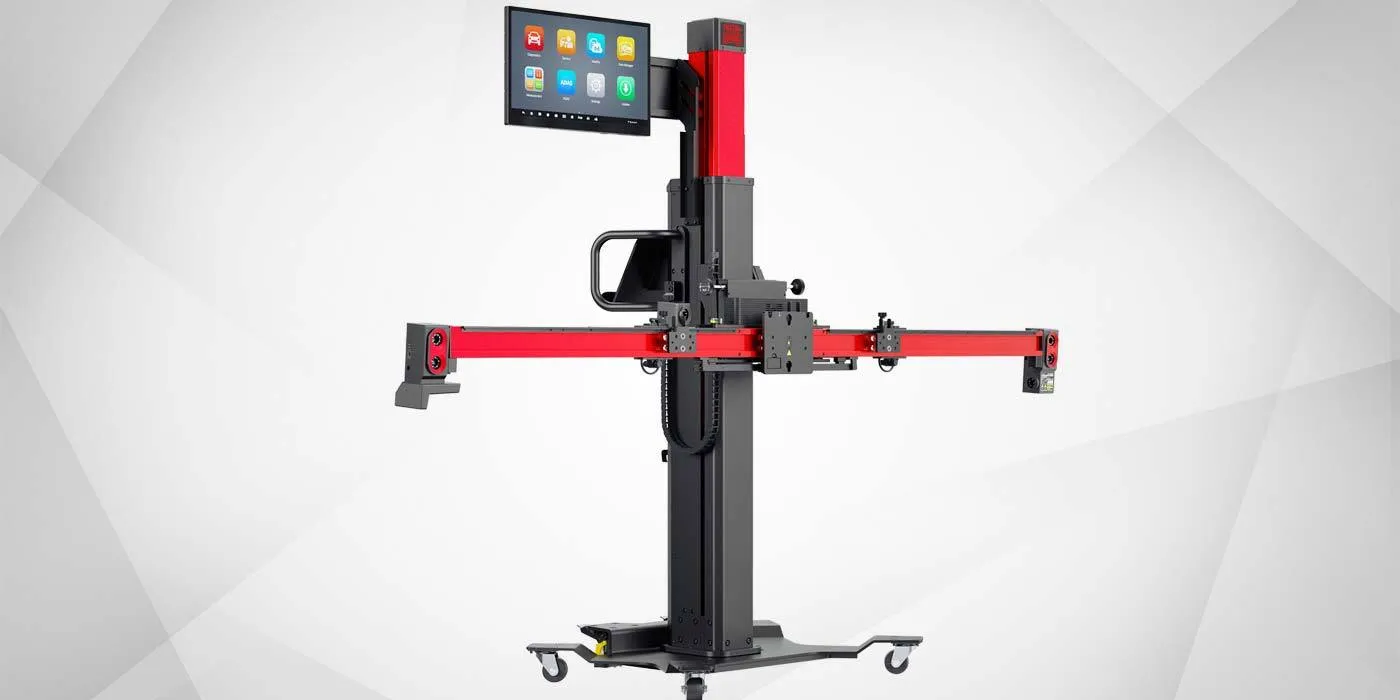
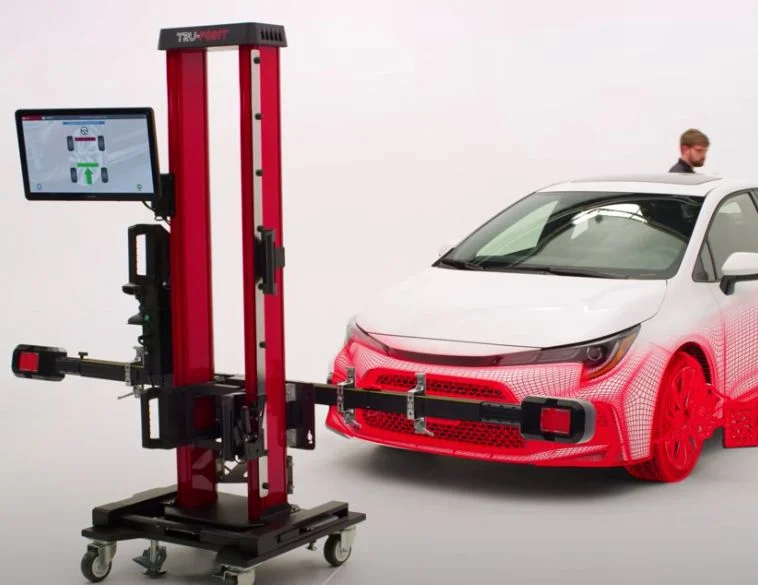
✔ Tool and equipment realities
Understanding what you'll actually need and why one tool set rarely covers everything:
- Why you might need multiple tool sets for comprehensive coverage
- Initial equipment investment ranges ($26K-$75K+ typical)
- Ongoing annual costs (software subscriptions, updates, tooling)
- Coverage gaps and when to sublet vs. invest in additional equipment
- Smart equipment strategies: focusing on high-volume makes first
✔ Training and education requirements
What your technicians need to know and how to keep knowledge current as procedures change:
- Initial training time commitments
- Ongoing education as OEM procedures change (27% of jobs involve updated procedures)
- Accessing current manufacturer requirements
- Building institutional knowledge within your shop
- Training multiple technicians to avoid bottlenecks
Who Should Attend
- Shop owners evaluating ADAS investments
- Operations managers planning calibration capabilities
- Estimators who need to identify and price calibration work
- Technicians preparing to perform calibrations
- Anyone considering bringing ADAS calibration in-house
Level: Foundational (101) — Designed for shops planning their ADAS strategy or in early stages of implementation












.jpeg)