Table of Contents
Your shop invested heavily in technology to boost productivity, but somehow things move slower than ever.
Technicians toggle between three different systems to find basic information.
Simple tasks require logging into multiple platforms.
And what should streamline operations has become a maze of passwords, interfaces, and duplicate data entry.
This is the technology paradox plaguing modern body shops: tools meant to save time are consuming it instead. The problem isn't technology itself, but how disconnected systems create more work than they eliminate.
When "solutions" become the problem
Most shops accumulate technology over years, adding new systems to solve specific problems without considering how they'll work together. The result is a digital frankenstein that forces your team to become IT specialists rather than collision repair experts.
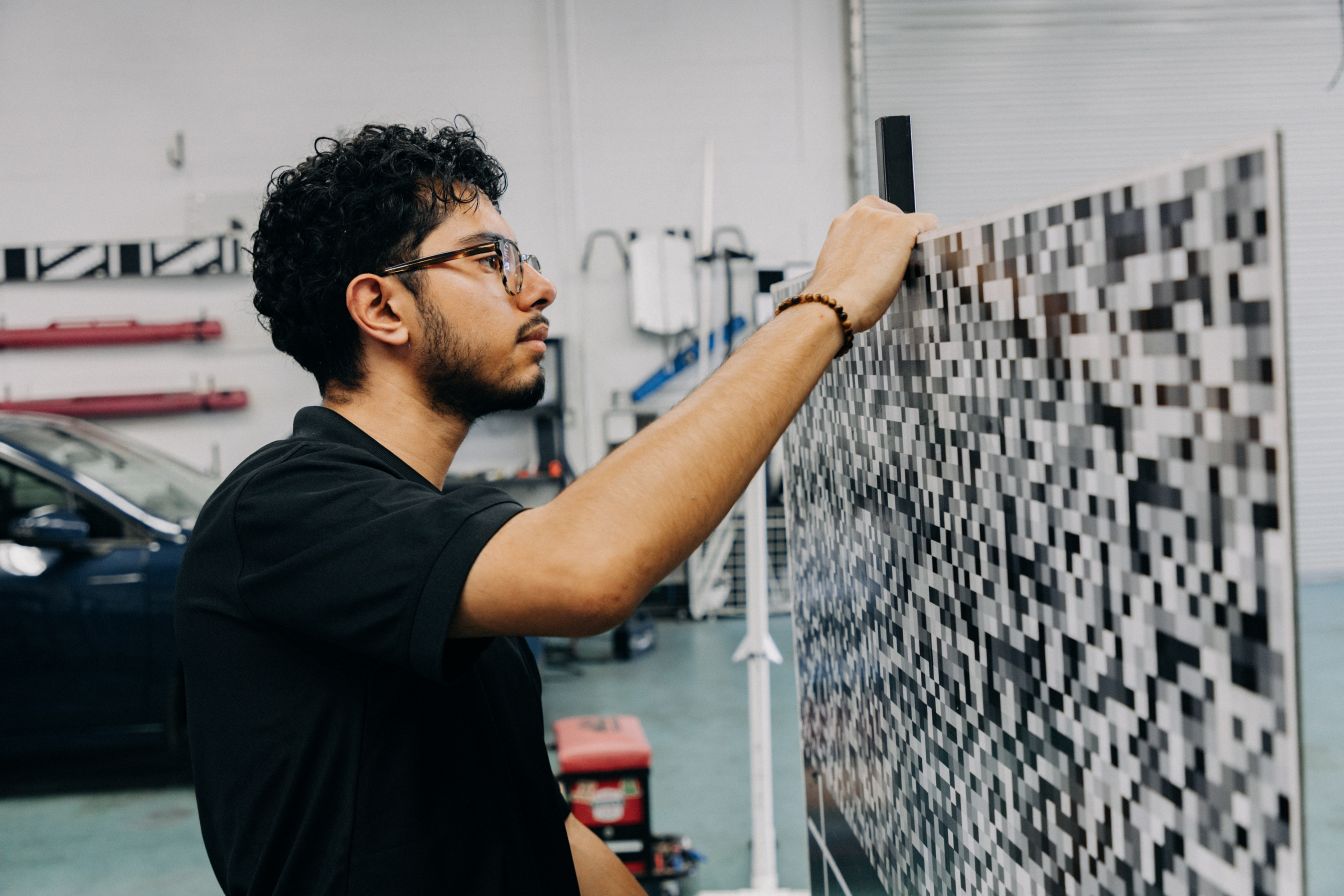
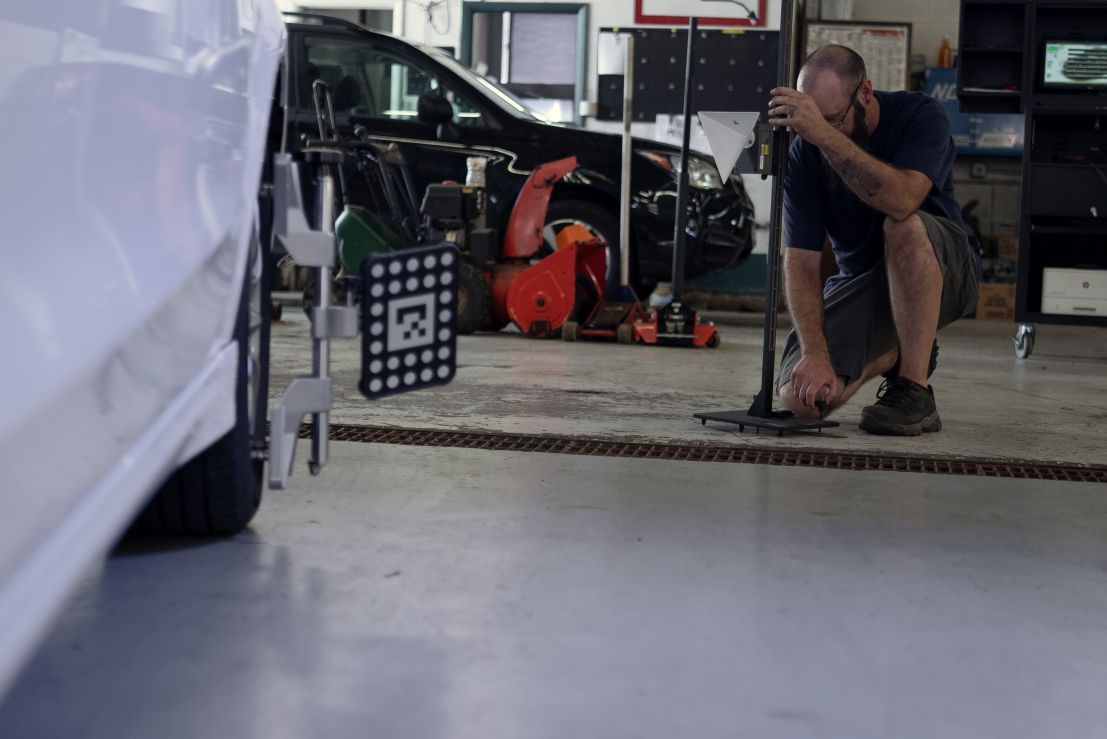
Consider this example of an ADAS calibration workflow in a poorly integrated shop:
- Check the estimate in one system
- Look up procedures in another database
- Log into manufacturer portal for specifications
- Use separate diagnostic software
- Document in yet another platform
- Manually transfer everything to your invoicing platform
Each system might excel at its specific function, but together they create a productivity nightmare. Your technician spends more time navigating software than turning wrenches, and manual data entry and transfers can wreak havoc on accuracy and productivity.
And don’t forget the cognitive load of switching between systems is measurable. Studies show it takes an average of 23 minutes to fully refocus after an interruption. When technicians constantly jump between platforms, they never reach peak productivity, because they’re constantly context switching.
The true cost of disconnected systems
Technology fragmentation costs more than just time. It creates compounding inefficiencies that erode profitability:
- Data entry multiplication: The same VIN gets entered into five different systems. Each entry takes time and introduces potential for errors that cascade through your workflow.
- Information silos: Critical details get trapped in individual systems. The pre-scan results in your diagnostic tool don't automatically appear in your billing system, leading to missed calibrations and charges.
- Training overhead: Every new employee needs to learn multiple systems, extending onboarding from days to weeks—or longer. Even experienced technicians lose time remembering which system contains what information.
- Subscription fatigue: You're paying for overlapping capabilities across multiple platforms. Three different systems might each charge for VIN decoding, essentially buying the same data three times.
- Update chaos: When one system updates, it might break integrations with others. You discover this during a repair, bringing productivity to a standstill.
Diagnosing your technology productivity drain
Not sure if technology is killing your productivity? Look for these warning signs:
- The login marathon: Count how many different usernames and passwords your team needs daily. If it's more than three, you have a problem.
- The copy-paste shuffle: Watch how often technicians copy information from one screen to paste into another. Each instance of manual data entry represents wasted time and error potential.
- The waiting game: Track how long people wait for information from other departments. If your estimator waits for the technician to email scan results, your systems aren't talking.
- The duplicate detective: Notice how often someone asks, "Did you already enter this?" or "Where did that updated estimate go?" These questions signal systemic inefficiency.
- The workaround web: Document the unofficial processes your team created to bypass technology limitations. These creative solutions indicate where systems fail to meet actual needs.
Breaking free from technology paralysis
Escaping the productivity trap doesn't require scrapping everything and starting over. Strategic improvements can restore technology as a productivity enhancer rather than inhibitor.
Start with workflow mapping: Document how information actually flows through your shop, not how you think it flows. Follow a single repair from estimate to payment, noting every system touched and every data transfer. This reveals redundancies and bottlenecks that technology should eliminate, not create.
Identify integration opportunities: Look for systems that can share data automatically. Modern APIs allow different platforms to communicate, eliminating manual data transfer. Prioritize integrations that eliminate the most repetitive work.
Consolidate where possible: You might not need separate systems for every function. Many modern platforms combine multiple capabilities, reducing both complexity and cost. One comprehensive system often outperforms three specialized ones that don't communicate.
Standardize data entry points: Designate single sources of truth for critical information. The VIN should be entered once and flow everywhere it's needed. Customer information should live in one system that others reference.
Building a connected technology ecosystem
The most productive shops treat technology as an ecosystem, not a collection of individual tools. Every component should strengthen the whole.
Central hub strategy: Choose one system as your operational center, then select other tools based on how well they integrate. This hub approach ensures information flows naturally rather than requiring manual intervention.
API-first selection: When evaluating new technology, integration capabilities matter more than features. The best tool that doesn't connect to your ecosystem is worse than a good tool that does.
Phased implementation: Don't try to fix everything at once. Start with your biggest productivity drain, implement a solution, measure improvement, and then move to the next issue. This approach maintains operations while driving improvement.
User-centric design: Involve your technicians in technology decisions. They know where current systems fail and what would actually improve their productivity. Technology that technicians resist won't deliver promised benefits.
Measuring technology ROI beyond the sales pitch
Vendors promise dramatic productivity improvements, but real ROI comes from how technology performs in your specific environment. Track these metrics:
- Time per task: Measure how long common tasks take before and after technology changes. If checking ADAS requirements took 20 minutes and now takes 2, that's measurable ROI.
- Error rates: Count mistakes caused by manual data transfer or missing information. Proper integration should drive these toward zero.
- Throughput: Track vehicles processed per week with the same staff. Effective technology increases capacity without adding labor.
- Payment speed: Monitor days from repair completion to payment receipt. Integrated documentation and billing accelerates cash flow.
Your technology transformation roadmap
Ready to turn technology from productivity killer to profit driver? Follow this systematic approach:
- Audit current systems: List every technology tool, its cost, and its function
- Map actual workflows: Document how work really gets done, including workarounds
- Identify redundancies: Find where multiple systems do the same thing
- Prioritize integration: Focus on connecting systems that share the most data
- Measure and iterate: Track productivity metrics and refine continuously
Transform technology into your competitive advantage
Shops with properly integrated technology don't just work faster—they work differently. They complete more repairs with the same staff, capture more billable procedures, reduce errors, and accelerate payment cycles.
When technology works as it should, your team focuses on their expertise rather than fighting with software. Technicians diagnose and repair. Service advisors serve customers. Managers manage instead of troubleshooting IT issues.
This isn't a futuristic vision, it's what leading shops achieve today with properly integrated systems. They've turned technology from a necessary evil into a competitive weapon.
Revv exemplifies this integrated approach, connecting with your existing systems like CCC and Mitchell. You’ll get instant access to the specific calibrations that need to be performed for each VIN based on expected repairs while automatically accounting for add-ons like research fees. And instead of toggling between databases, your team gets everything they need in one place, turning technology from a burden into a breakthrough.
Ready to escape the technology productivity trap? Book a demo with Revv today to see how integrated ADAS solutions can streamline your operations and restore technology as the productivity multiplier it was meant to be.