Table of Contents
Working on commercial vehicles with ADAS features presents different challenges than working on personal vehicles. Vehicle size, cargo, mileage, and number of parties involved raise insurance stakes and your practices must be up to par to stay competitive.
Insurance requirements for commercial vehicles are stricter, and there is a growing intersection of liability and insurance scrutiny. This is your guide to everything you need to know about how insurers view commercial ADAS work, why claims take longer, and what you need to do to protect your shop.
ADAS in commercial vehicles: What makes them different
Commercial ADAS is geared towards long-haul trips and utility while carrying a higher exposure to risk, which means tighter scrutinization from insurers. Factors insurers thus consider are vehicle mass, miles driven, passengers, cargo, and third-party risk. Common commercial ADAS systems include:
- Lane Keep Assist (LKA)
- Adaptive Cruise Control (ACC)
- Alcohol Interlocks
- Fatigue Detection
These systems position vehicles for better fuel efficiency, safer long-haul outcomes, cargo protection, and liability safety vests for fleet owners. Instead of insurance just covering a repair, it looks to cover ongoing operational risk.
Hardware differences between commercial vehicles and personal vehicles include sensor placement, mounting, and calibration targets. In addition, commercial vehicles tend to have aftermarket upfits and modifications for job-related tasks. This detail can lead to a mix of OEM and fleet-specific calibrations requirements.
How insurers view ADAS in commercial vehicles
Fleet vehicles are heavier and carry valuable cargo, so accidents are more deadly and involve huge financial loss for numerous parties, triggering deeper investigation. The associated insurance nightmare presents the necessity that ADAS works as designed.
ADAS is directly tied to fleet safety scores, loss history, premium pricing, and regulatory scrutiny. This means that commercial fleet owners are investing in the safest vehicles to increase their profit, while reducing risk of loss and insurance costs.
For you, this means stricter claims processes and far less tolerance for assumptions. Your documentation must contain each detail, as it needs to withstand post-accident legal review. Insurers are looking for any reason to deny a claim or pin liability on you. It is not personal, this is just standard practice in commercial risk management.
Insurance requirements for commercial ADAS: Why claims take longer
ADAS calibration on commercial fleets is required after most services. Even if your techs don’t believe a sensor was affected, OEMs still require due diligence to ensure proper function.
Commercial ADAS claims can get stuck in the approval cycle for a few reasons.
Incomplete proof of calibration
Commercial ADAS have more triggers than that of personal vehicles, and insurers want explicit linkage and proof that you calibrated what was necessary. Most repairs are a ADAS calibration trigger including:
- Windshield replacement (camera-based systems)
- Alignment, suspension, axle, or ride-height changes
- Body repairs near sensor mounting zones
- Cosmetic work that alters reflectivity or sensor view
- Routine repairs that alter vehicle geometry over time
“No fault codes” or “the sensor was not touched” are not valid defenses, and you can be held liable by insurance agencies for negligence.
Documentation that wouldn’t survive a loss investigation
Proper OEM-compliant documentation is necessary to prove calibration was performed correctly. Documentation standards for commercial vehicles are more complex. We discuss documentation needs in greater detail in a later section.
Fleet configuration ambiguity
Because fleet vehicles often are upfitted and modified for specific tasks, VIN alone may not tell the full ADAS story. Insurers expect you to resolve this so you are tasked with properly communicating with the fleet to get the full picture of what the vehicles your servicing are equipped with. This interaction must be documented and proof of service is needed by insurers.
What a “defensible” commercial ADAS insurance package must include
So with this information, you must standardize your claims. By following simple and repeatable steps that you know insurance agencies are looking for. This will be the backbone of your entire commercial ADAS operation.
- Vehicle + configuration verification
You first must verify by both VIN and with fleet documentation to know exactly what you are working with. Only by conferring with both will you know what ADAS features are equipped. This confirmation must be documented
- Proof of calibration necessity
By citing OEMs or fleet documentation, prove that a calibration is needed following a specific service. This step includes photo evidence of the pre-calibration service and of the non-calibrated sensors.
- Calibration execution evidence
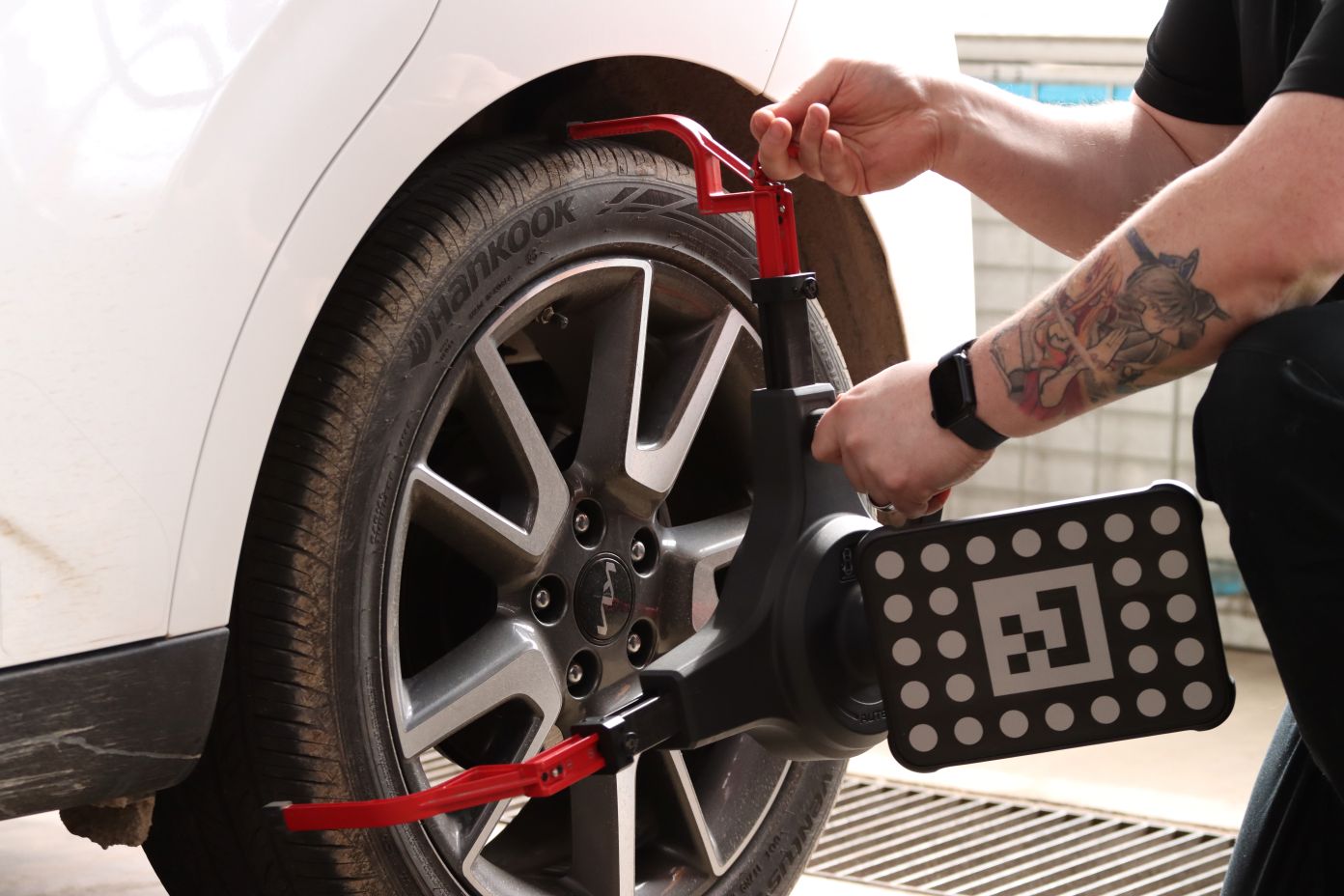
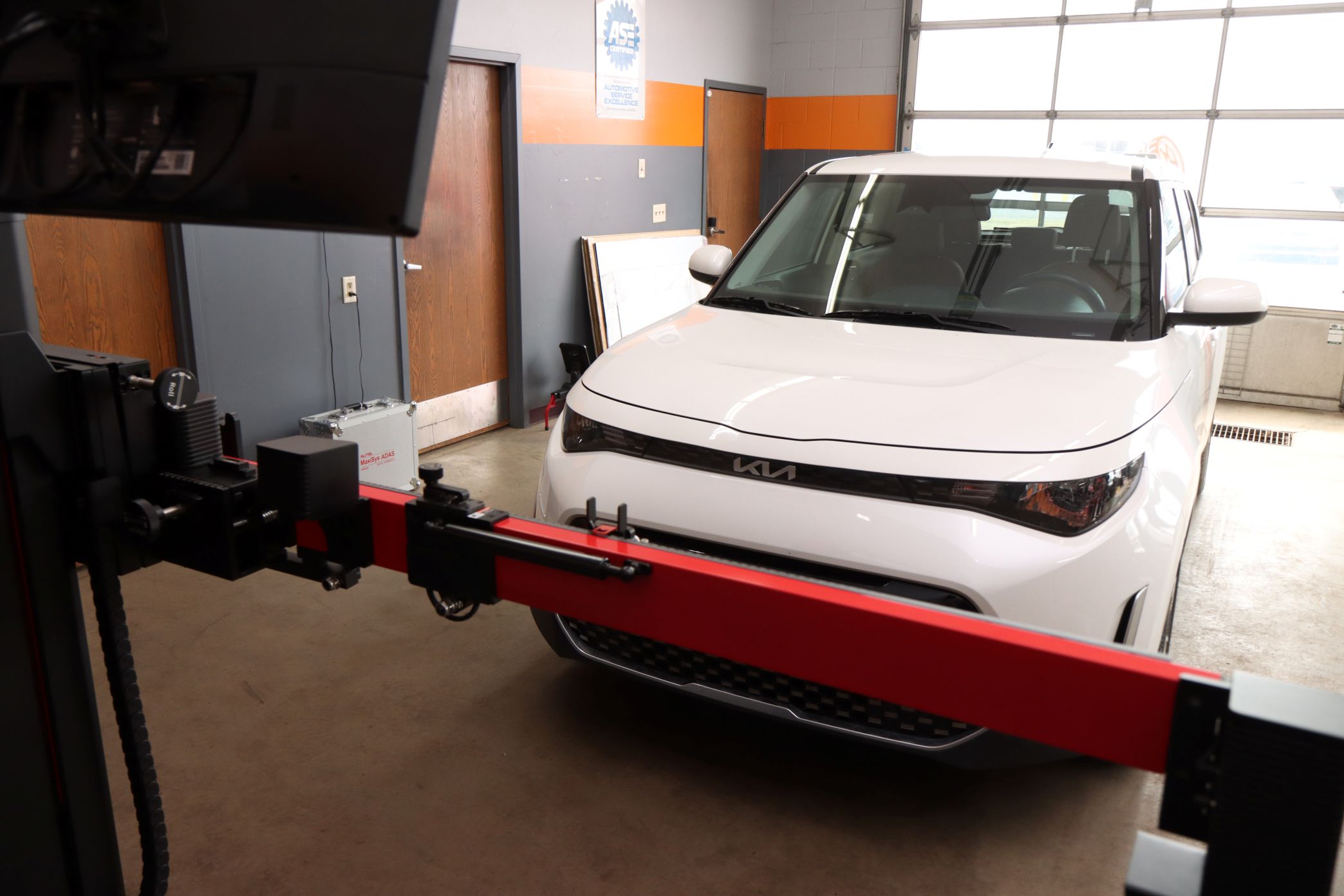
Here you include photo-evidence and documentation of the proper environment and setup, the specific tools used, and any before and after measurements. Here the model, spec, and placement of the target boards, softwares, and scanners are vital as commercial vehicles have strict requirements for OEM equipment.
- Verification and validation
Here include post-scan results, road test confirmations, and any notes. Here it is important to remember the Operational Design Domain (ODD) of the specific vehicle. The pass/fail confirmation results need to be timestamped.
- Organization and traceability
All documentation must be clearly labeled, chronological, and processes must be easily repeatable. This type of documentation is built explicitly for third-party review and not just internal memory.
Standard ADAS insurance messages every shop should align on
While dealing with ADAS calibration-related insurance is a headache, it protects your shop as much as the fleet. Without documented compliance, liability shifts to you quickly and expensively. ADAS insurance claims rely on documented compliance, which is proven not stated.
Accurate records are a legal asset. They serve as a bullet-proof vest in the worse-case scenario. In the event of any dispute, you will pat yourself on the back when your strong documentation is leveraged.
If you have more than one location, then consistency across all your techs and locations matter even more with fleets. One denied claim can jeopardize an entire relationship with a company, and fleet revenue scales quickly. Insurers reward predictability over persuasion.
The role of technology in insurance-ready ADAS service
The right software eliminates guesswork. Tools like Revv instantly identify required calibrations and auto-generate OEM-compliant documentation. This drastically reduces workflow and insurance delays, strengthens predictability of your documentation, and increases trust with commercial clients.
Revv is able to align OEM procedures at scale, protect you from audits, and increase your revenue. This partnership would also promote consistency across all techs, shifts, and locations. Faster approvals, fewer disputes, and stronger fleet trust is possible.
Turning insurance compliance into a commercial advantage
Fleets choose shops that reduce friction, and insurers prefer those that eliminate uncertainty. When ADAS compliance is handled correctly, insurance changes from a bottleneck to a differentiator.
Commercial ADAS mastery and documentation discipline needs to set you apart from the competition and win you long-term fleet relationships.
.jpg)