Table of Contents
"Just fix the dent. I don't need anything fancy," the customer says.
Meanwhile,you know that bumper houses a forward-facing radar sensor for their adaptive cruise control and automatic emergency braking. The repair isn't as simple as bodywork and paint anymore, and this vehicle needs ADAS calibrations.
This scenario plays out in collision repair shops every day. Customers focused on visible damage often don't understand that modern vehicles require additional work beyond what they can see. And in many cases, they definitely don’t want to pay for it. As a result, shops are needing to learn how to help customers understand why these additional services are necessary for their safety.
This post will walk through how to handle these conversations effectively, from explaining liability concerns to connecting calibration requirements with the safety features customers rely on every day.
Common reasons customers initially decline calibrations
Understanding why customers resist calibration recommendations helps you address their specific concerns more effectively. The most common objections include:
- Skepticism about necessity: Many customers assume calibrations are optional upsells rather than manufacturer-required procedures.
- Lack of awareness: Most customers don't realize which safety features rely on the components being repaired or what calibration actually means.
- Cost concerns: Calibrations can add several hundred dollars to repairs customers thought would only involve fixing visible damage.
- Time constraints: Customers expecting quick turnaround times are often frustrated to learn calibrations add hours or potentially even days to the repair.
Each of these objections requires a different response, but they all share a common solution: education that connects calibration requirements to safety, liability, and the features customers actually value.
Connecting repairs to features customers use
The most effective way to help customers understand calibration requirements is connecting technical procedures to the safety features they use (and love!) every day.
Start by asking about their driving experience with the vehicle to learn more about which features they use regularly:
- Do they rely on adaptive cruise control during highway commutes?
- Do they appreciate the lane keeping assistance on long trips?
- Have they experienced the automatic emergency braking in close-call situations?
These questions help you identify which features customers use most, allowing you to then explain how the specific calibrations you need to complete will impact the functionality of those features.
For example, a customer who regularly uses adaptive cruise control needs to understand that the radar sensor in their damaged front bumper is what allows that system to maintain safe following distances. Even if the sensor itself wasn't damaged, the repair process likely moved it enough that recalibration is necessary for the system to function correctly.
Make the connection explicit. You can say something like:
"The automatic emergency braking that saved you from a close call before? That system relies on the camera behind the windshield we're replacing. Without calibration, that camera won't know where to look, and the system might not activate when you need it."
This approach transforms the conversation from "the shop just wants to charge me more" to "I need this work so my safety features function correctly."
Understanding the liability landscape
When a customer asks you to skip necessary calibration procedures, they're unknowingly putting both of you at risk. If you perform bodywork that affects ADAS components without completing required calibrations, and that vehicle is later involved in an accident where safety systems fail to function, your shop could have significant liability exposure.
Courts and insurance companies will ask a straightforward question: Did you follow the manufacturer's repair procedures? The answer determines whether you're protected or exposed. Following OEM procedures provides legal protection by demonstrating you met the standard of care required for that specific repair. Skipping required steps—even at the customer's request—removes that protection.
Documentation becomes critical in these situations. If a customer explicitly refuses recommended calibrations, written acknowledgment of that refusal provides some protection, but it doesn't eliminate your liability entirely.
Revv’s position on this is this: when in doubt, do the calibration.
Walking through required calibrations
Once customers understand why calibrations matter, showing them exactly what's required helps justify the time and expense involved.
Use the specific repair as a “teaching” opportunity
Pull up the OEM procedures or calibration requirements for their exact vehicle and explain what needs to happen. This transparency demonstrates professionalism and builds trust that you're following manufacturer requirements rather than adding unnecessary services.
Explain the calibration process in straightforward terms.
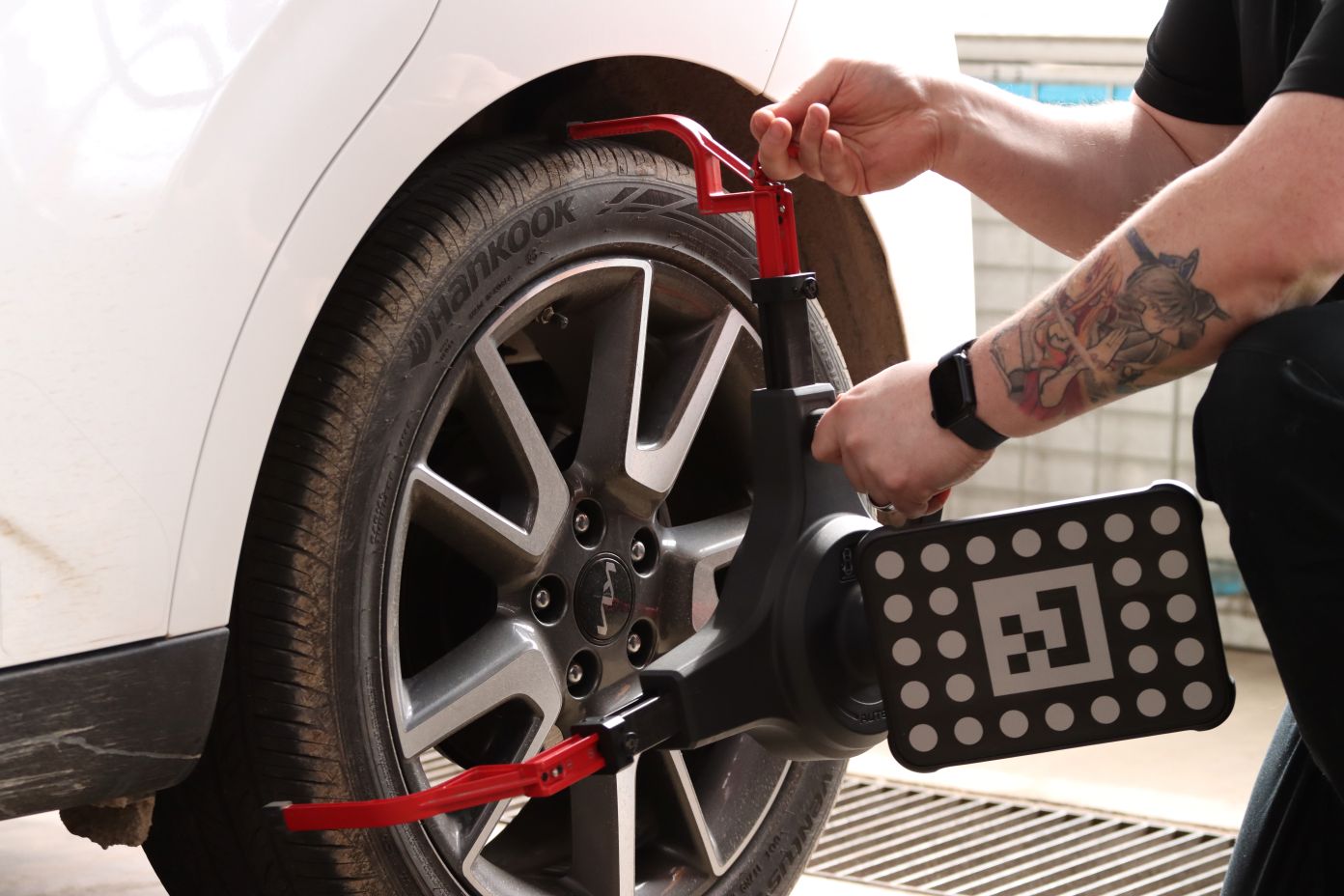
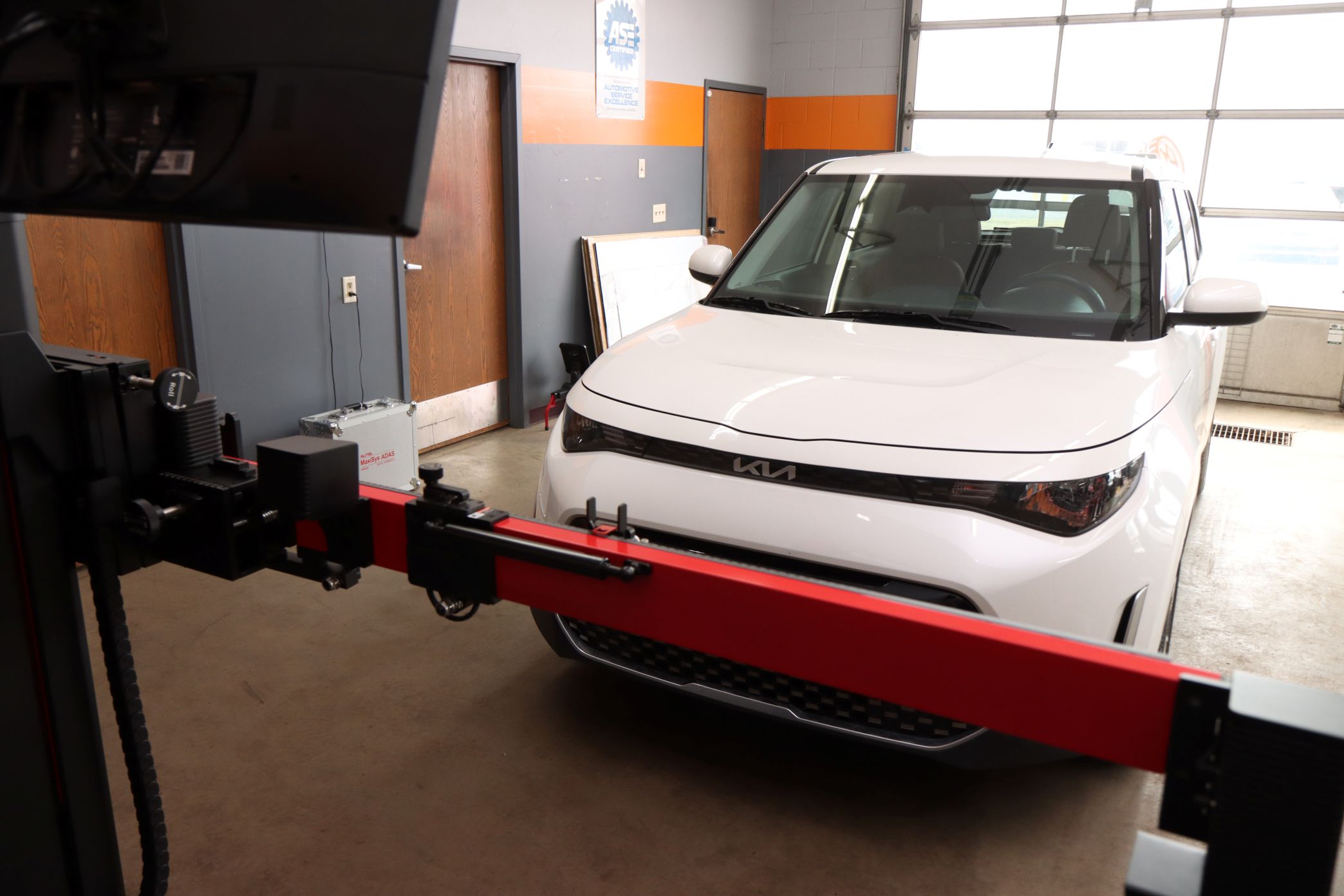
If their vehicle requires static calibration using targets and specific measurements, describe how this ensures cameras and sensors are aimed precisely where the manufacturer designed them to be. If dynamic calibration requires test driving, explain that the system needs to observe lane markings and road conditions to establish baseline operation.
Provide written estimates
As always, we recommend that you document everything. Break down calibration requirements separately from bodywork helps customers see exactly what they're paying for and why each service is necessary. Most customer pushback can be solved through understanding.
Addressing cost concerns directly
Cost objections are natural, especially when customers weren't expecting additional expenses beyond visible repairs and with the cost of living feeling too costly for many Americans.
Be upfront that ADAS calibrations add to repair costs. Trying to minimize or hide these expenses creates mistrust and leads to difficult conversations when final bills exceed estimates.
If customers are still doubtful, compare the cost of calibration to the value of the safety features it restores. A few hundred dollars for calibration is modest compared to the potential consequences of safety systems that don't function correctly. If their automatic emergency braking fails because calibration was skipped, the resulting accident could cost thousands in vehicle damage, not to mention potential injuries.
Finally, remind customers that most insurance policies cover required calibrations when repairs are related to covered claims. Help customers understand what their insurance should cover and provide detailed documentation that supports the necessity of calibration work.
While this documentation creates additional administrative work—19% of respondents in our State of ADAS Industry Benchmark Report listed insurance reimbursement as a leading operational challenge—it ensures customers aren't stuck with unexpected out-of-pocket expenses.
When customers still refuse
Despite your best efforts, some customers will still want to decline calibrations.
This is important: Don’t ever simply agree to skip required calibrations without documentation, as this puts your shop at significant risk. Revv
If the client continues to refuse, create a written acknowledgment that clearly states what services were declined, explains the specific safety systems that may not function correctly as a result, and releases your shop from liability for those systems.
This documentation should be specific. Think something like:
"Customer declined calibration of forward-facing radar sensor required after front bumper repair. Systems affected include adaptive cruise control, automatic emergency braking, and forward collision warning."
Have customers sign this acknowledgment and provide them with a copy.
And if you still don’t want to avoid the risk? Some shops have policies that they won't return vehicles without completing safety-critical repairs. This approach prioritizes safety over revenue, though it may mean losing some customers.
While having a release form is certainly an option, Revv recommends that you do the calibration anyway to ensure that safe vehicles are put back on the road and you circumvent the liability risk.
Protecting your shop while serving customers
Handling customers who want to skip necessary calibrations requires balancing customer service with professional responsibility and liability protection. Your job isn't to force services customers don't want (and we know it’s a fine line between overselling and upselling), but you need to ensure they understand what's necessary and what risks they're accepting if they decline.
Remember that education is your strongest tool. Customers who understand why calibrations matter and how they connect to safety features they use are much more likely to approve necessary work.
Revv helps shops navigate these conversations by providing instant access to VIN-specific calibration requirements and OEM procedures. When a customer questions whether calibrations are really necessary, you can pull up manufacturer requirements for their exact vehicle and show them what the OEM requires.
Our platform also generates detailed documentation that explains required calibrations in customer-friendly terms, making it easier to communicate necessity while providing the backup you need for insurance claims and liability protection.
Book a demo today to see how Revv can strengthen your customer conversations while ensuring complete compliance with calibration requirements.
.jpg)