Table of Contents
A technician with five years of experience asks their service manager why their paycheck looks the same as it did two years ago, despite the rising cost of living. Meanwhile, another shop owner is trying to hire a senior diagnostic tech, and they post a job listing and wonders why strong candidates keep turning it down after the salary conversation.
Both problems trace back to the same gap. There’s often a lack of clear, current information about what technicians actually earn and what moves those numbers up and down.
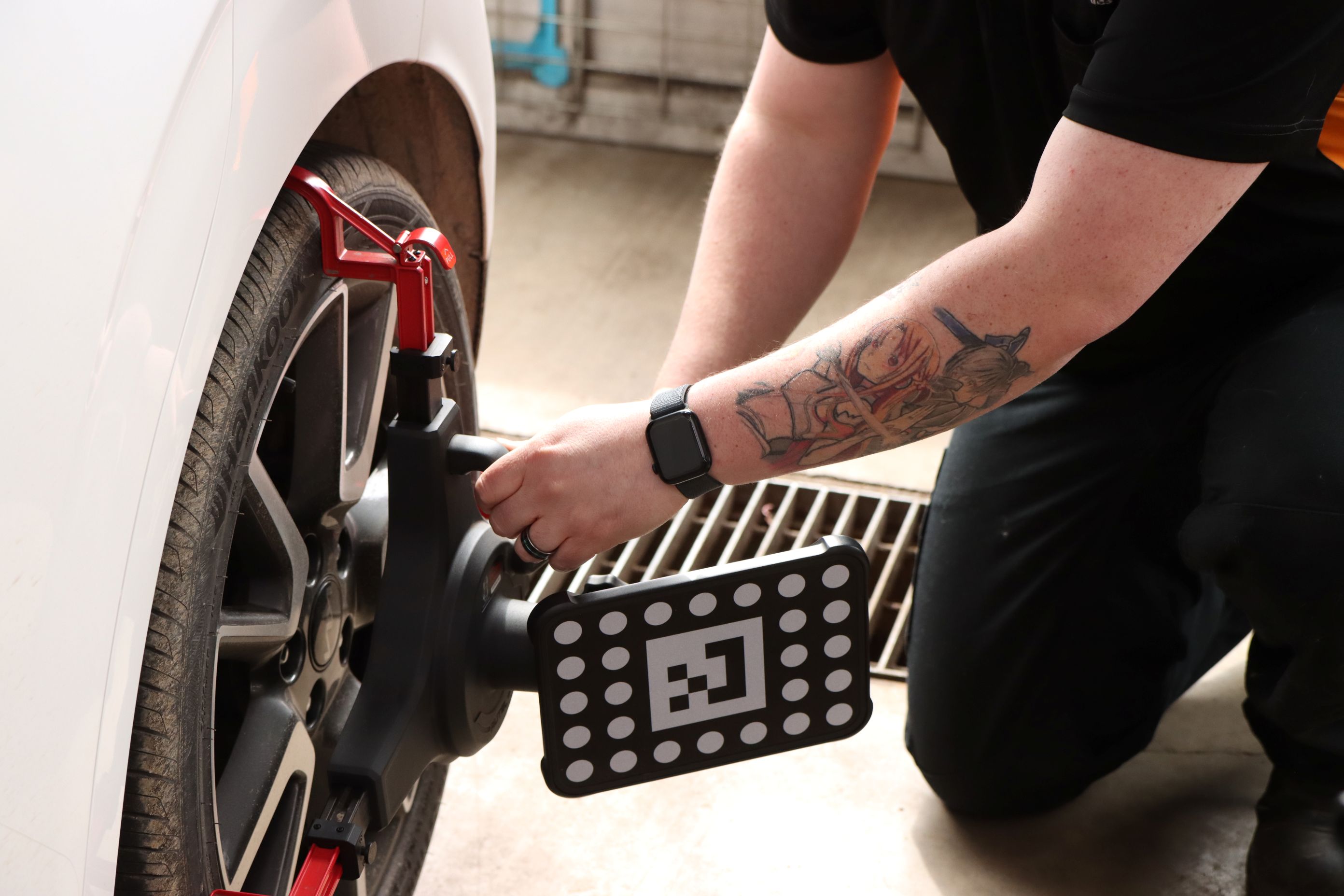
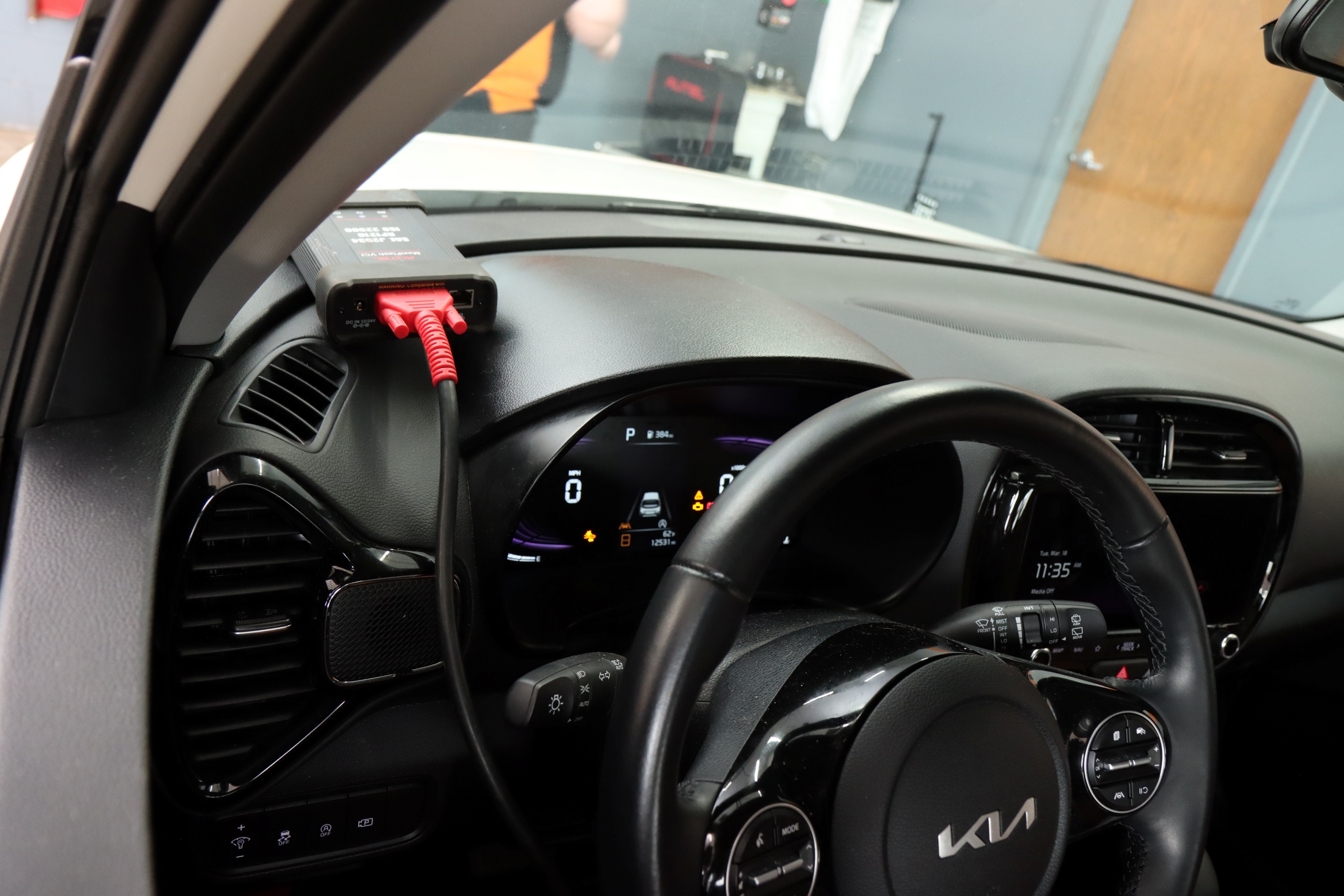
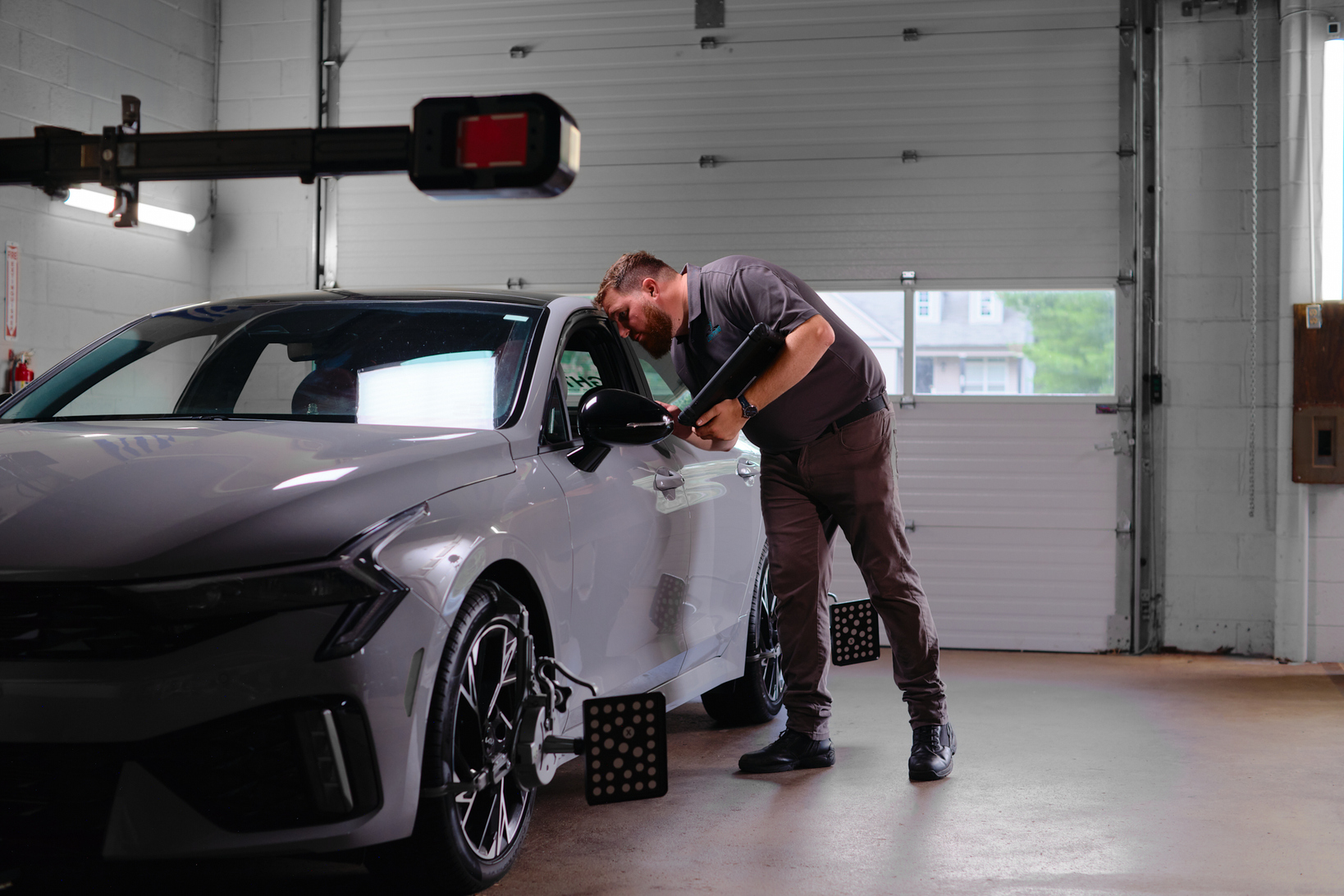
This guide breaks down 2026 technician salary data from official sources, explains the factors that shape pay, and addresses why adding ADAS calibration skills in particular can change a technician's earning trajectory alongside your shop’s revenue.
What the national numbers say
According to the U.S. Bureau of Labor Statistics, the median annual wage for automotive service technicians and mechanics was $49,670 in May 2024, or a median pay of $23.88 per hour. That said, the range can be vast, depending on factors like your location and experience.
For ADAS-specific roles, the numbers are a touch higher. According to Glassdoor, the median salary for an ADAS Technician in the United States is approximately $62,000 per year, which is roughly 25% above the general automotive technician median.
Again, experience matters here. According to APEX’s 2026 salary data, here’s how technician pay varies by years of experience:
- Entry level / lube tech (0–1 year): $28,000–$36,000
- General service tech (1–3 years): $35,000–$48,000
- Line technician (3–7 years): $45,000–$62,000
- Senior / diagnostic tech (7–15 years): $58,000–$78,000
- Master technician (10+ years, full ASE): $70,000–$95,000+
Where you work matters as much as what you do
The BLS data shows clear variation by employer type. In May 2024, median annual wages for automotive service technicians differed significantly across industries:
- Automobile dealers: $58,580
- Automotive mechanical and electrical repair and maintenance: $49,650
- Automotive parts, accessories, and tire retailers: $44,910
- Other automotive repair and maintenance: $35,310
Dealerships tend to offer competitive flat rate pay and the best manufacturer training programs, though they also come with rigid workflow structures and sometimes heavy warranty work at discounted labor rates.
Independent shops, meanwhile, can sometimes exceed dealerships and have a host of other benefits including more flexibility.
Finally, fleet and government shops tend to offer the best work-life balance and strong benefits packages, but may have a lower earnings ceiling.
Location: the variable some technicians underestimate
State and metro area matter more than most technicians realize when evaluating compensation. States with high costs of living and robust automotive markets consistently pay more, but those higher wages don't always translate to higher purchasing power.
According to APEX’s salary data, top-paying states for automotive technicians in 2026 include:
- California: $52,000–$82,000
- Washington: $50,000–$75,000
- Alaska: $52,000–$78,000
- Massachusetts: $48,000–$74,000
- Connecticut: $48,000–$72,000
If technicians are looking for work, it’s important to consider both the salary, and what it can actually get them. A technician earning $55,000 in a mid-sized Texas city may have meaningfully more disposable income than one earning $70,000 in the Bay Area. This makes cost of living adjustments essential when comparing offers across different regions, and shop owners must consider these differences to ensure they’re creating competitive pay bands.
Pay structure: hourly vs. flat rate vs. hybrid
There are a few common ways that shops typically pay their technicians:
- Hourly: Technicians are paid by the hour at the shop, regardless of throughput. Common in fleet shops and some independents, with the tradeoff being a capped earning ceiling.
- Flat rate: Techs are paid based on the "book time" for each job, regardless of how long it actually takes. Fast, efficient technicians earn significantly more, but slow weeks hurt.
- Hybrid: A base hourly rate plus a flat rate bonus above a production threshold. Increasingly common, and arguably the fairest structure for balancing stability with upside.
Understanding which structure a shop uses, and how the shop supports technician throughput, is essential when evaluating a compensation offer.
Experience, certifications, and the pay premium
Experience accounts for much of the variation in technician pay, but certifications accelerate the trajectory. The BLS notes that having industry certifications demonstrates competence and can result in a higher pay rate.
ASE certification in particular has a measurable effect. According to APEX Tech Nation, full Master Technician status can mean an additional $5,000–$15,000 per year compared to non-certified peers doing the same work.
For technicians building toward that range, a realistic five-year path looks like this:
- Year 1: Learn the shop, pass first two ASE tests
- Year 2: Add two more certifications, begin taking diagnostic work
- Year 3: Complete remaining ASE certs; functioning as a solid line technician
- Year 4: Pursue L1 or a manufacturer certification; negotiate raise based on credentials
- Year 5: Master or near-Master status, strong diagnostics; $65,000+ becomes achievable in most markets
Beyond base certifications, specialization in high-demand systems creates additional earning leverage. APEX’s data found that diesel mechanics, for example, earn roughly 10–15% more on average. Technicians who can diagnose complex drivability, electrical, and network communication issues command premium pay because that skill set is genuinely rare.
The ADAS pay bump and what it means for shop revenue
ADAS calibration specialization sits at the intersection of technician pay and shop economics, and it's worth addressing both sides.
On the technician side, the numbers are clear. General automotive technicians have that median annual salary of roughly $49,670 (BLS), but Glassdoor found that the DAS Technicians median annual salary for ADAS techs was 62k. That’s a premium of more than $12,000 annually.
That gap reflects market demand: ADAS-equipped vehicles are growing as a share of total vehicles in service, and calibration work requires skills and training that’s highly valued by shops.
The BLS specifically notes that "the increased demand for calibrations and repairs for advanced safety systems will also support demand for these workers" in its 2024–34 employment projections for automotive service technicians. So for techs looking to earn more and create job security for themselves, additional training is a strong choice.
On the shop side, the revenue math is what makes investment in ADAS training particularly compelling.
According to Revv's 2025 ADAS Calibration Industry Benchmark Report—which was compiled across 300 shops—the median calibration charge per vehicle is $393, with shops taking home an average of $143 per calibration at a 9% net profit margin.
Shops currently perform 57% of calibrations in-house, and that figure is expected to climb to 64% within two years. Notably, 60% of shops that have stopped outsourcing now receive inbound sublet work from other shops, turning a cost center into a revenue stream.
The implication for technician compensation is straightforward. A shop that builds ADAS capability generates the revenue to support meaningfully higher wages for the technicians who carry that capability.
Certification that increases a technician's pay by $12,000 a year can return multiples of that investment in additional calibration revenue, particularly when shops stop outsourcing work they could be capturing themselves.
Beyond base pay: what the total package actually looks like
Technicians (and the shop owners hiring them) should evaluate total compensation. Key components to factor in include:
- Health insurance is a significant expense, with annual family premiums of employer-sponsored plans coming in at nearly $27,000 in in 2025.
- Tool allowances can save thousands per year, especially for technicians early in their careers who are still building out their own sets.
- Training budget is one of the most undervalued benefits in the industry. Shops that invest in technician training are both offering a benefit and building the capability that drives higher-value work and better wages over time.
- Retirement matching is free compensation for workers, and is typically between 3-6% of a full-time worker’s salary.
- Paid time off matters especially for flat rate technicians. A flat rate tech with no PTO earns nothing on vacation.
What this means for shops thinking about compensation
Technician pay in 2026 is both a retention issue and a capability issue. The shops competing most effectively for strong technicians are offering competitive base pay, realistic flat rate upside, clear paths to certification and specialization, and the training investment to get there.
ADAS capability in particular creates a positive cycle for both techs and shops:
- Trained technicians command higher wages and attract more calibration work.
- More calibration revenue justifies continued investment in training and equipment.
- Shops that build this flywheel position themselves as regional calibration hubs rather than calibration customers.
Once you have employees trained to offer ADAS calibrations, the right tech takes things a step further. Revv's platform helps shops identify all required calibrations by VIN, streamline essential documentation, and capture the revenue that makes competitive technician pay sustainable.
Book a demo to see how Revv supports the full calibration workflow.